
Best steamer for clothes portable searches usually come from the same pain point, you want crisp-looking outfits without hauling out an ironing board or fighting hotel irons that barely work.
A portable clothes steamer can be a legit time-saver, but only if you buy one that matches your routine, travel, quick touch-ups, heavy fabrics, or daily work shirts. Otherwise you end up with a leaky unit, weak steam, or a tank so small you refill mid-sleeve.
This guide breaks down what matters in 2026 models, how to choose fast, and how to use one safely so you get smoother clothes with less fuss.
What “best” really means for a portable clothes steamer
“Best” is rarely one single product, it’s the best fit for your fabric mix, time pressure, and where you steam. In most homes, the winner is the unit that heats quickly, produces consistent steam, and feels stable in the hand.
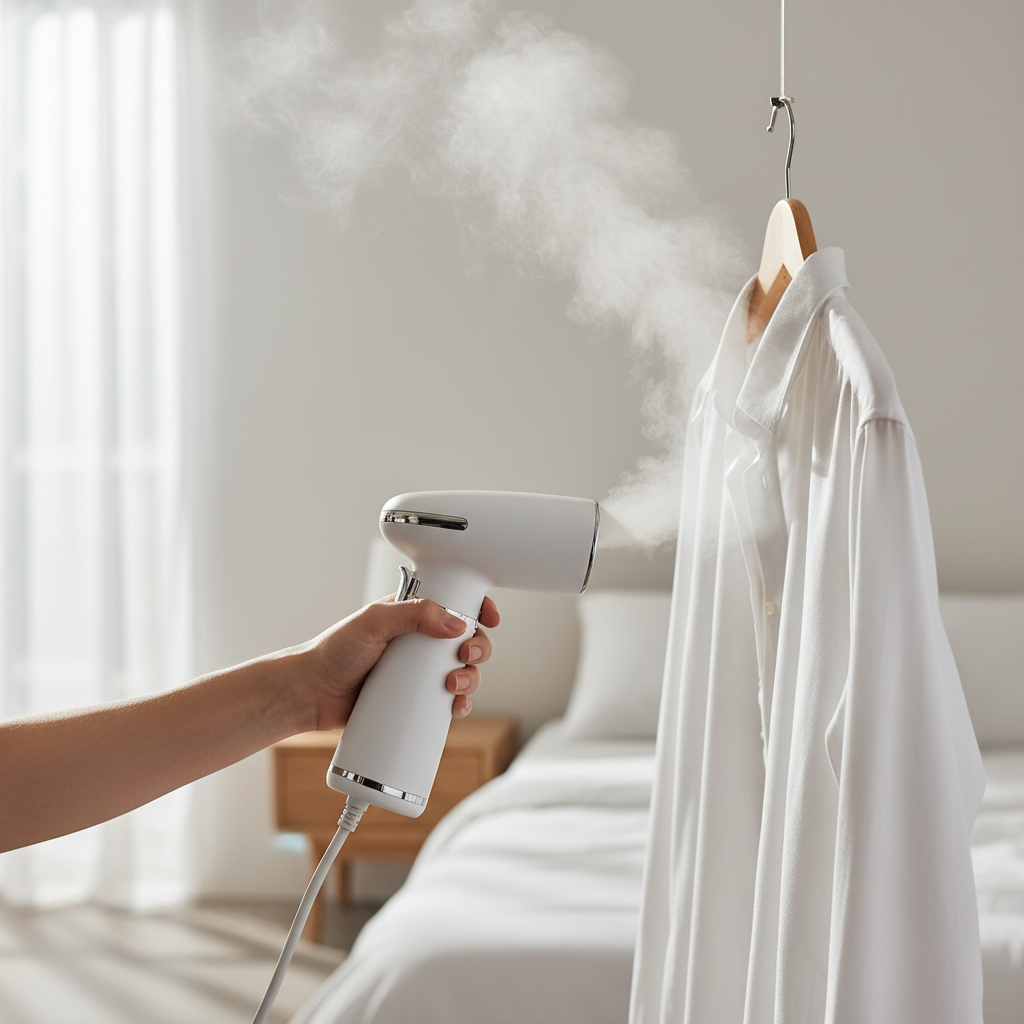
For most shoppers, “best portable” comes down to these trade-offs:
- Power vs. portability, higher wattage often means stronger steam, but sometimes adds weight.
- Tank size vs. size in bag, bigger tanks last longer, smaller bodies pack easier.
- Safety vs. speed, faster heat-up is nice, but a good auto shut-off matters if you’re distracted.
Quick comparison table, choose by your use case
If you want a fast path, pick the row that matches your most common scenario, then shop models that meet those specs.
| Use case | What to prioritize | Nice-to-have | What usually disappoints |
|---|---|---|---|
| Frequent travel (carry-on) | Dual voltage (if needed), small footprint, leak resistance | Travel pouch, cord length 8+ ft | Tiny tank, weak output on cotton |
| Daily work clothes | Consistent steam, larger tank, comfortable grip | Auto shut-off, wide steam plate | Spitting water, long heat-up |
| Delicates (silk, rayon) | Lower-temp modes, controlled steam, gentle head | Fabric brush/guard | Over-steaming causing shine or water spots |
| Thicker fabrics (denim, outerwear) | Higher wattage, strong continuous steam | Press pad, stronger burst option | “Portable” units that can’t keep up |
| Small apartment, no ironing board | Stable base, easy fill, quick heat | Wall hook or door-hanger accessory | Tip-prone bodies, short cords |
The buying criteria that actually matter (and what to ignore)
If you’re trying to land the best steamer for clothes portable without overthinking, focus on a few specs and real-world design details. Marketing claims can be noisy, but performance is usually visible in the basics.
1) Heat-up time and steady steam
A fast heat-up is helpful, but consistency is what removes wrinkles. If steam pulses unpredictably, you end up “painting” the same area repeatedly, which can leave damp patches.
- Look for units that advertise continuous steam rather than only burst-style output.
- If you steam multiple pieces back-to-back, a stable flow beats an extra 10 seconds of heat-up.
2) Water tank capacity (minutes matter more than ounces)
A small tank is fine for one blouse, then you’re refilling. For daily use, refills are the friction point that makes people stop using the device.
- For travel touch-ups, small is acceptable.
- For weekly laundry finishing, prioritize longer runtime and an easy-fill opening.
3) Leak and spit resistance
Portable units often fail here, especially when tilted. If you frequently steam hems, collars, or shoulder seams, you’ll tilt the head and discover whether the design behaves.
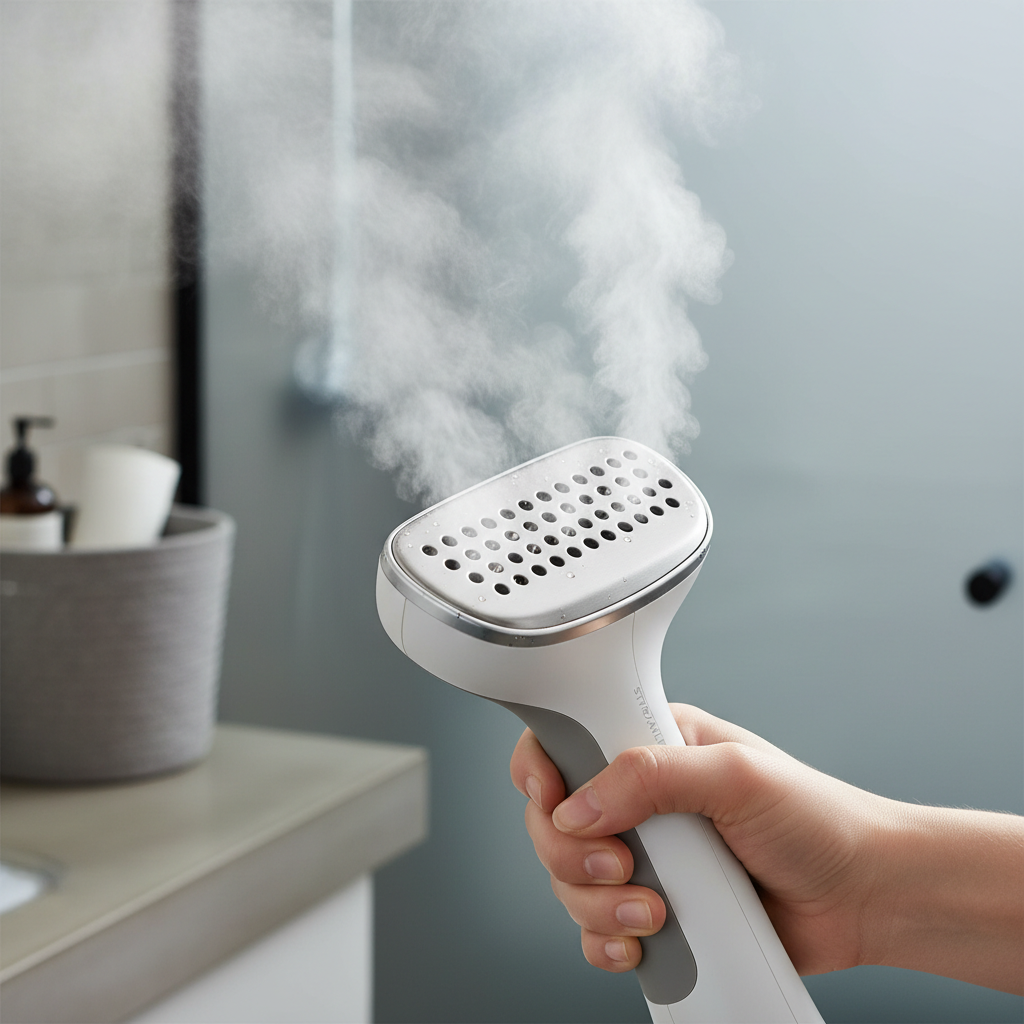
Practical checks when reading reviews:
- People mention “spitting” or “droplets” on fabric, that’s a red flag.
- Look for notes about tilt use and whether it stays dry at different angles.
4) Voltage and travel reality
Many U.S. handheld steamers are single-voltage, fine for domestic travel but risky abroad without the right unit. This is one reason travelers feel burned after buying what looked like the best portable option online.
- For international travel, consider dual voltage if you truly plan to use it overseas.
- Adapters change plug shape, they don’t always convert voltage, check device requirements.
5) Safety features you shouldn’t skip
Steam burns happen fast. According to U.S. Consumer Product Safety Commission (CPSC) guidance on consumer product safety, burn prevention and safe handling practices are key for hot appliances, so don’t treat safety as “nice-to-have.”
- Auto shut-off helps if you get interrupted mid-steam.
- Stable base reduces tip-over risk on counters.
- Cool-touch zones matter more than flashy LEDs.
Self-check, what type of steamer user are you?
Before you buy, answer these quickly. Your pattern points to the right class of device, and narrows your “best steamer for clothes portable” shortlist without obsessing over brand names.
- I steam mostly cotton dress shirts → prioritize steady output and a slightly larger tank.
- I steam delicates → look for gentler output and a fabric guard accessory.
- I hate refilling → prioritize tank capacity and easy fill, even if the unit is bulkier.
- I only need hotel touch-ups → prioritize compact size and leak resistance.
- I want to refresh jackets and sweaters → consider a stronger unit, some “portable” models may feel underpowered.
If you answered “yes” to three or more items that conflict, it’s a sign you may need a compromise model, or even two tools, a tiny travel unit plus a stronger home steamer.
How to get better results (the technique matters more than people think)
Even the best portable unit can look mediocre if you steam the wrong way. The good news, small adjustments usually fix it.
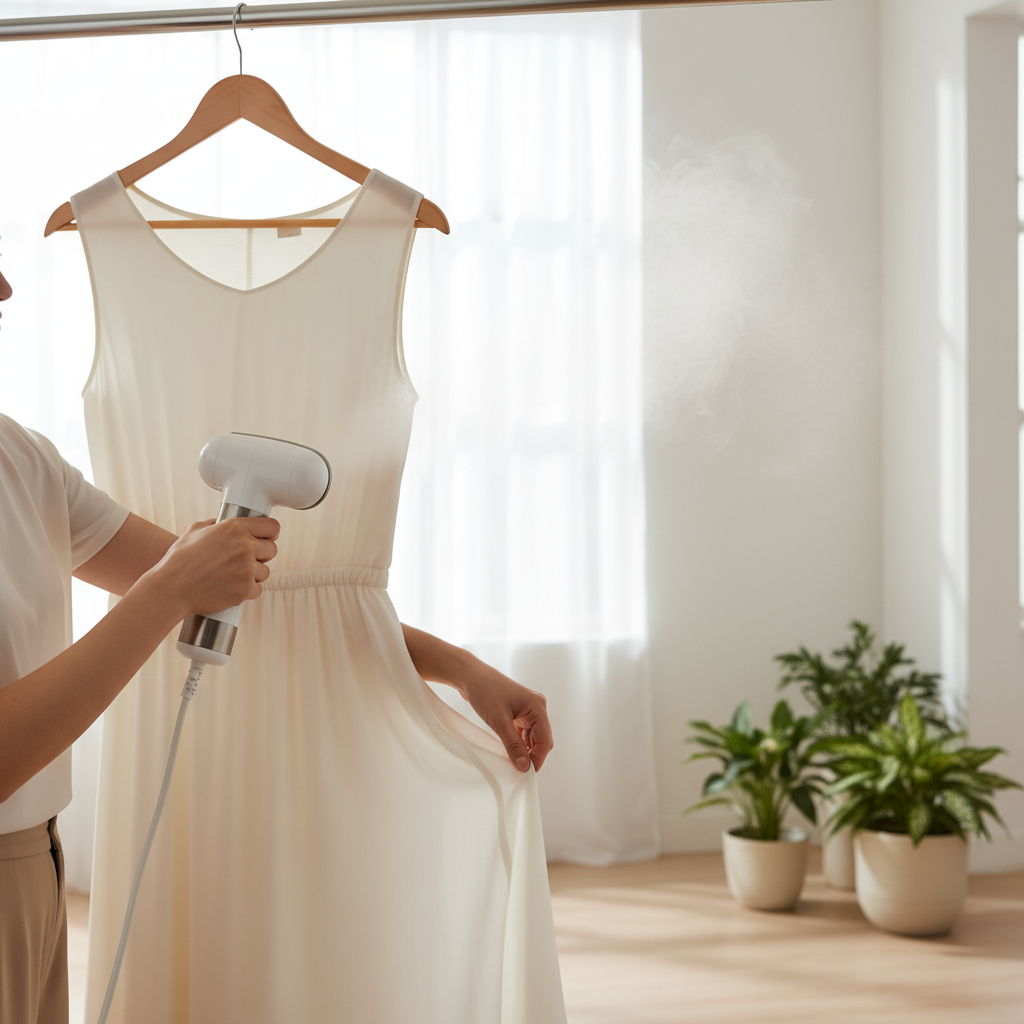
Step-by-step for fewer wrinkles and less dampness
- Hang the garment on a sturdy hanger, door hooks work in a pinch.
- Pull fabric slightly taut with your free hand, keep fingers away from the steam path.
- Steam top-down, collars and shoulders first, then panels, then sleeves.
- Keep the head moving, slow enough to relax fibers, not so slow it soaks.
- Let it dry for a minute before wearing, especially for thicker cotton.
Fabric notes (realistic expectations)
- Cotton: looks great after steaming, but stubborn creases may still prefer an iron for a razor-sharp finish.
- Wool: steaming often works well for refresh and shape recovery, avoid over-wetting.
- Silk/rayon: use lower output if available, test an inside seam to reduce spotting risk.
- Linen: improves a lot, but “perfectly flat” linen is a high bar, even for strong steam.
Mistakes that make people think steamers “don’t work”
Most returns come from predictable mis-matches and a couple technique issues, not because steamers are useless.
- Steaming while the fabric is bunched, wrinkles stay because fibers aren’t stretched flat.
- Using tap water in hard-water areas, mineral buildup can reduce steam output over time.
- Expecting iron-level creases on pants, a steamer is better at relaxing wrinkles than creating sharp pleats.
- Overfilling the tank or tilting too aggressively, which can cause spitting on some designs.
- Ignoring cooldown and storage, storing while hot may shorten life and increase odor/mildew risk.
When you should upgrade, or ask for help
If you consistently need crisp creases for uniforms or formalwear, a portable unit may not be the best primary tool. In many cases, a steam iron or a full-size standing steamer makes more sense.
Also be cautious with sensitive materials, embellished pieces, or vintage fabrics. When the care label is unclear, or the garment is expensive, consider testing a hidden area or consulting a professional cleaner, especially if you see water spotting or color change.
Conclusion: a practical way to choose in 10 minutes
The best steamer for clothes portable is the one that matches your most common fabric and where you actually steam, bedroom door, bathroom, suitcase unpack zone, not the one with the loudest wattage claim.
If you want one clear next move, pick your main use case, then shortlist models with reliable continuous steam, a tank you won’t hate refilling, and safety features you’ll appreciate when you’re rushing out the door.