
how to heal dry lips overnight starts with one simple idea: stop anything that keeps stripping your lip barrier, then seal in water so your lips can repair while you sleep.
If you have a big day tomorrow, chapped lips feel unfairly loud, they catch on fabric, lipstick looks rough, and the sting can make you lick them more, which usually makes things worse. The good news is that “overnight” improvement is realistic for many people, as long as you focus on barrier repair rather than chasing a tingle or a scrub.
Below is a practical way to figure out why your lips got dry in the first place, then a fast bedtime routine that often makes a visible difference by morning, plus red flags that deserve professional input.
What “overnight healing” can and can’t do
Let’s set expectations without killing the vibe. Overnight care can usually reduce tightness, flaking, and superficial cracking, especially when dryness is from weather, indoor heat, or a one-off irritation.
What it can’t reliably do in one night is fix ongoing triggers like contact allergies, chronic mouth breathing, certain medications, or an inflamed rash around the lips. If the trigger stays, you might feel better in the morning and then slide backward by lunch.
- Realistic by morning: softer surface, fewer flakes, less sting, lipstick sits smoother.
- Often needs days to weeks: deep fissures at the corners, persistent redness, burning, recurring peeling.
Why your lips get dry so fast (the common triggers)
Lip skin is thin, has fewer oil glands, and loses water easily. Most “overnight fixes” fail because they ignore what caused the dryness.
1) Barrier stripping and irritation
Minty, scented, or “plumping” balms can feel like they work because they tingle, but that sensation often comes from irritation. Frequent exfoliating scrubs can also leave lips raw.
2) Licking, picking, and mouth breathing
Saliva evaporates and pulls more moisture out with it, and enzymes can irritate skin. Mouth breathing at night dries lips fast, especially with a fan or heater.
3) Cold wind, dry indoor air, and sun
Low humidity plus wind is a classic combo. Sun exposure matters too, lips can burn and then peel.
4) Product reactions
Many people suspect “dryness,” but the real issue is contact dermatitis from flavorings, fragrance, lanolin, propolis, certain sunscreens, or toothpaste ingredients. According to the American Academy of Dermatology Association, fragrance and flavoring are common contributors to skin irritation in sensitive individuals.
5) Medications and health factors
Some acne treatments (like topical retinoids) or systemic medications can increase dryness. Nutrient deficiencies are less common than the internet suggests, but if cracking at the corners keeps returning, it may be worth asking a clinician what to check.
A quick self-check: which type of dry lips do you have tonight?
Before you start, pick the pattern that matches you. This keeps you from over-treating or using the wrong product.
- Simple dehydration/seasonal chapping: feels tight, looks flaky, no major redness.
- Irritated/over-exfoliated: burning, shiny redness, stings with “mint” products.
- Allergy/contact reaction suspicion: recurring peeling, itch, rash at the lip line, triggered by new balm/toothpaste.
- Corners splitting (angular cheilitis suspicion): cracks at mouth corners, may look moist/crusty.
- Sun/wind burn: tenderness, swelling, later peeling.
If you’re in the “irritated” or “reaction” groups, skip scrubs and “active” ingredients tonight and go full bland barrier care.
How to heal dry lips overnight: a simple bedtime routine that actually helps
This is the part most people want, and it’s straightforward. The trick is timing and layering, not a fancy ingredient list.
Step 1: Clean gently, no foaming wash
Use lukewarm water and a soft cloth if needed. Avoid facial cleansers on the lip area tonight, especially anything with acids, benzoyl peroxide, or fragrance.
Step 2: Add a little water, then seal it in
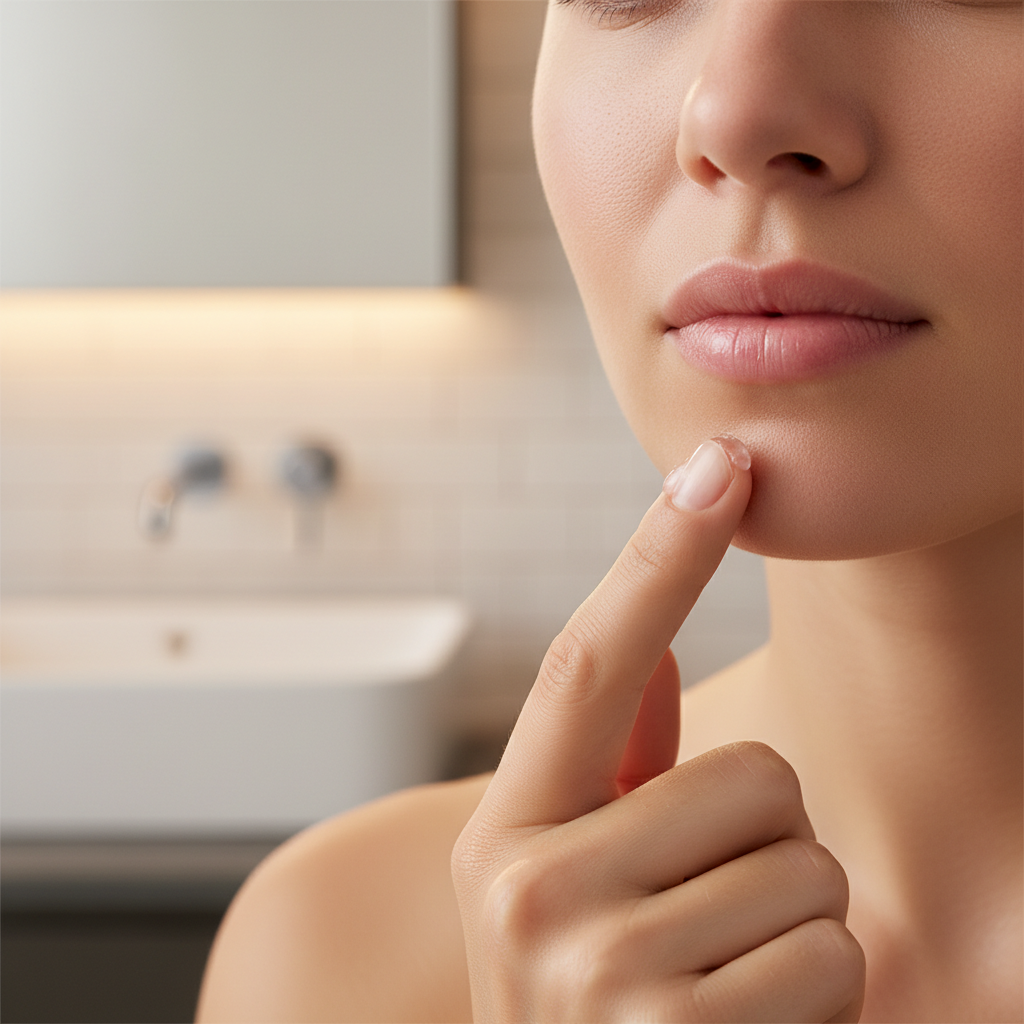
Lips need water plus protection. Lightly dampen lips (not dripping), then apply an occlusive layer right away. Occlusives slow water loss, which gives the barrier a calmer environment to recover.
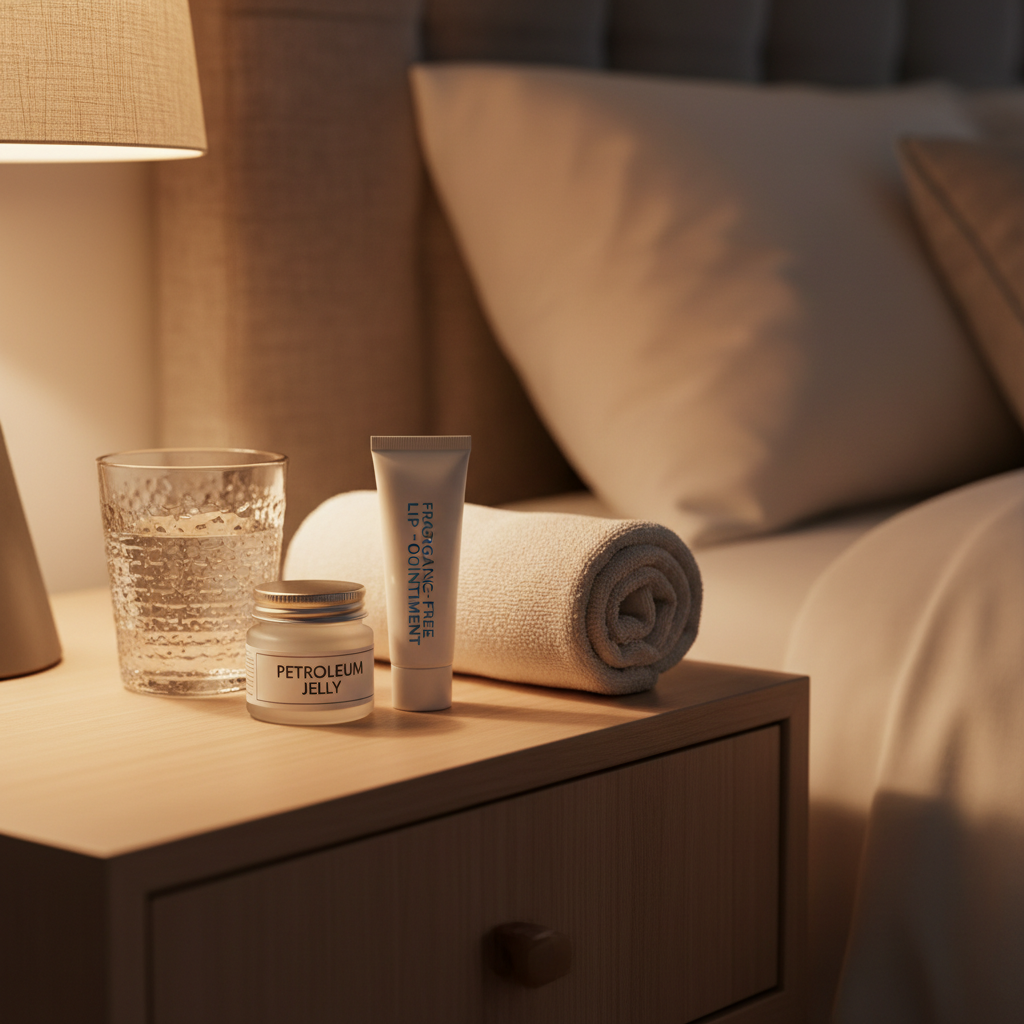
- Good overnight occlusives: plain petrolatum (petroleum jelly), fragrance-free healing ointments, thicker ceramide-based balms.
- If you’re very sensitive: start with plain petrolatum because the ingredient list is short.
Step 3: Use a “thick enough” layer
A whisper-thin swipe often disappears by 2 a.m. Use a comfortable, glossy layer so lips stay coated if you wake up once. If you drool or mouth-breathe, you may need a reapplication.
Step 4: Reduce overnight drying triggers
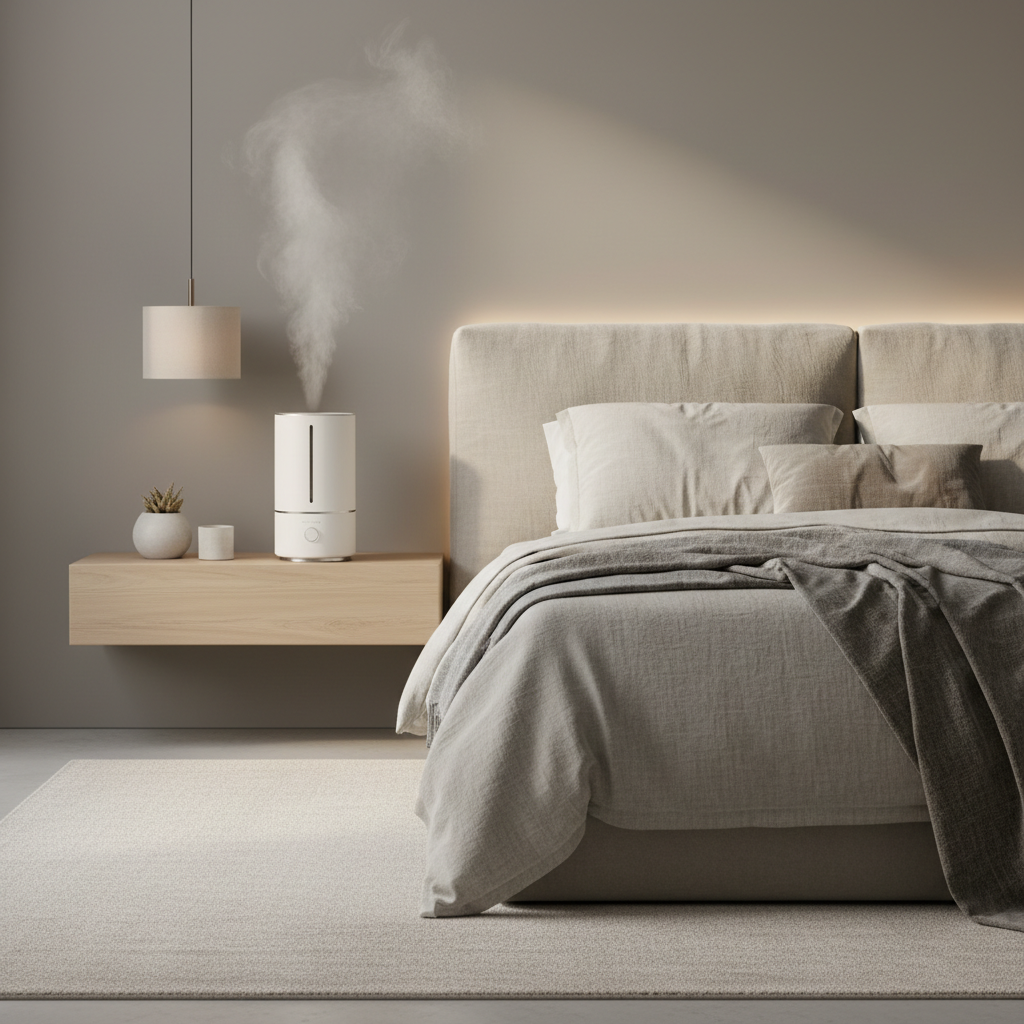
- Run a humidifier if your room feels desert-dry, or place a bowl of water near a heat source as a small, imperfect backup.
- Keep water at your bedside so you’re less tempted to lick lips when you wake.
- If nasal congestion drives mouth breathing, consider saline spray or talking with a pharmacist or clinician about safe options for you.
Step 5: Hands off
No picking flakes “so it looks better.” That usually creates tiny tears, then you wake with more sting. Let the ointment soften flakes, you can reassess in the morning.
What to use tonight (and what to avoid): a quick product table
Not every balm is created equal. Here’s a practical cheat sheet for fast overnight repair.
| Goal | What usually helps | What often backfires |
|---|---|---|
| Seal in moisture | Plain petrolatum, fragrance-free ointment | Light “glossy” balms that evaporate fast |
| Calm irritation | Blunt, minimal-ingredient products | Menthol, camphor, peppermint, cinnamon |
| Repair barrier over days | Ceramides, dimethicone, gentle lip creams under an occlusive | Frequent scrubs, acids, strong actives on lips |
| Daytime prevention | SPF lip balm, reapply outdoors | Skipping SPF in sun/wind |
According to the American Academy of Dermatology Association, using an ointment-based lip balm and avoiding irritating ingredients like menthol and fragrance is a common recommendation for chapped lips.
Fast add-ons for stubborn dryness (use judgment)
If you’ve done the basics and your lips still feel rough, these add-ons can help, but they’re not mandatory and they’re not for every skin type.
Option A: A gentle “soak and seal” compress
Hold a clean, lukewarm damp cloth on your lips for 30–60 seconds, then immediately apply ointment. This can soften flakes without scraping.
Option B: A very mild exfoliation, only if you’re not inflamed
If lips are just flaky and not red or burning, you can use a soft washcloth in the morning, one or two light passes, then reapply balm. Skip sugar scrubs and stiff brushes, they often overdo it.
Option C: Patch-test a “repair” balm for the week ahead
If you suspect your current balm is part of the problem, don’t swap five products tonight. Pick one bland option, use it consistently for several days, and watch the trend.
Common mistakes that keep dry lips from improving
- Chasing “medicated” tingles: that burn often means irritation, not healing.
- Using facial actives on the lip line: retinoids and acids migrate, especially overnight.
- Exfoliating every day: lips don’t build toughness, they just get inflamed.
- Switching products constantly: if you suspect an allergy, too many variables makes it impossible to pinpoint the trigger.
- Forgetting daytime protection: if sun and wind caused the damage, nighttime care alone won’t stop the cycle.
When to consider professional help (and why)
Most chapped lips improve with basic barrier care, but some patterns deserve a second set of eyes.
- Cracks at the corners that keep returning or look infected, a clinician can check for angular cheilitis, yeast, or bacterial involvement.
- Persistent burning, swelling, or a rash around the lips, contact dermatitis is common and patch testing may help identify triggers.
- Severe pain, bleeding, pus, fever, or spreading redness, seek prompt medical care.
- Frequent cold sores (tingling blisters), ask a healthcare professional about antiviral options, since standard balms won’t address the cause.
If you’re unsure, it’s reasonable to start with a bland ointment routine for a few days, then talk with a dermatologist or primary care clinician if you’re not trending better.
Key takeaways for tonight
- Keep it boring: bland, fragrance-free, occlusive products tend to outperform “fun” flavors when lips are raw.
- Water + seal: slightly damp lips under ointment usually beat dry lips with balm on top.
- Stop the trigger: licking, scrubbing, and minty formulas commonly prolong the problem.
- Think beyond one night: if symptoms rebound daily, look for irritation, allergy, or mouth breathing.
If you want to know how to heal dry lips overnight for a specific scenario you’re dealing with, the most useful next step is choosing one simple routine tonight, then watching how your lips respond over the next 48 hours and adjusting from there.
Try this: dampen, seal with a fragrance-free ointment, run a bit more humidity, and leave the flakes alone. If you wake up better, keep the same plan for a few nights and add daytime SPF so the progress sticks.