
Men watch fashion trends move fast on social media, but most guys still want the same thing: a watch that looks right with their clothes, feels comfortable daily, and won’t feel outdated next season.
The tricky part is separating real, lasting shifts from short-lived hype, because watches sit in a weird space between jewelry and a tool. A trendy dial color is easy to swap, but a case size you hate or a strap that never fits will annoy you every day.
This guide stays practical. We’ll look at what’s trending, what’s “classic” for good reasons, and how to choose based on your wardrobe and lifestyle, not just whatever your feed pushes this week.
What’s driving men’s watch fashion trends right now
Men watch fashion trends usually reflect broader menswear shifts, plus what brands and collectors talk about. A few forces show up again and again.
- Casualization of dress codes: fewer suits, more “smart casual,” so watches that bridge office and weekend keep winning.
- Vintage influence: smaller sizes, softer case shapes, domed crystals, and retro dial fonts keep returning.
- Social proof: TikTok and YouTube don’t just report trends, they create them, especially around a few “talked-about” models.
- Comfort and wearability: lighter watches, better bracelets, and quick-change straps matter more than people admit.
According to the Federation of the Swiss Watch Industry (FH)... watch brands track shifting demand by category and market, and in practice you can see brands responding with more heritage reissues, more versatile sports models, and more strap options.
The “classic” looks that keep working (even when trends change)
If you want the safest foundation, classic doesn’t mean boring, it means proportions and finishes that pair with most outfits. These are the shapes that age well in most closets.
Three classic archetypes
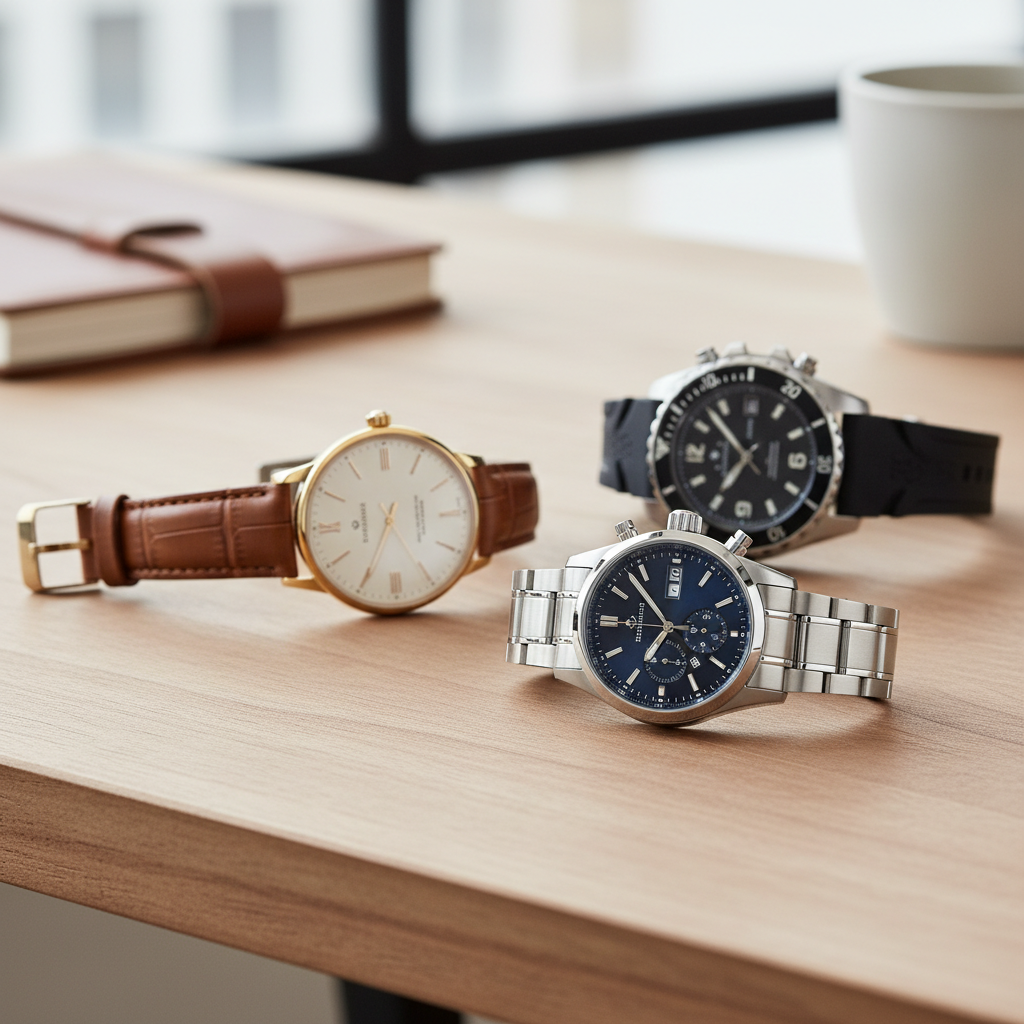
- Dress watch: simple dial, thin case, leather strap. Great for weddings, interviews, and formal events.
- Dive-style sport watch: rotating bezel look, strong water resistance. Works with tees, denim, and casual jackets.
- Everyday field/pilot style: high legibility, durable vibe, often on nylon or leather. Easy weekend wear.
When people say they want a “classic watch,” they often mean one of these, usually in steel with a black, white, or navy dial. That palette stays flexible when the rest of your outfit shifts.
Trend watch: what’s hot, what’s risky, what’s actually useful
Not all trends are equal. Some are just aesthetic, others improve daily wear. Here are a few you’ll likely keep seeing in men watch fashion trends this year.
- Smaller case sizes (often 36–39mm): usually a good trend if your wrist is smaller or you prefer understated style. Risk is only if you love bold presence.
- Integrated-bracelet sports look: very “now,” can look sharp with minimalist outfits. Risk: some designs feel dated when the wave passes.
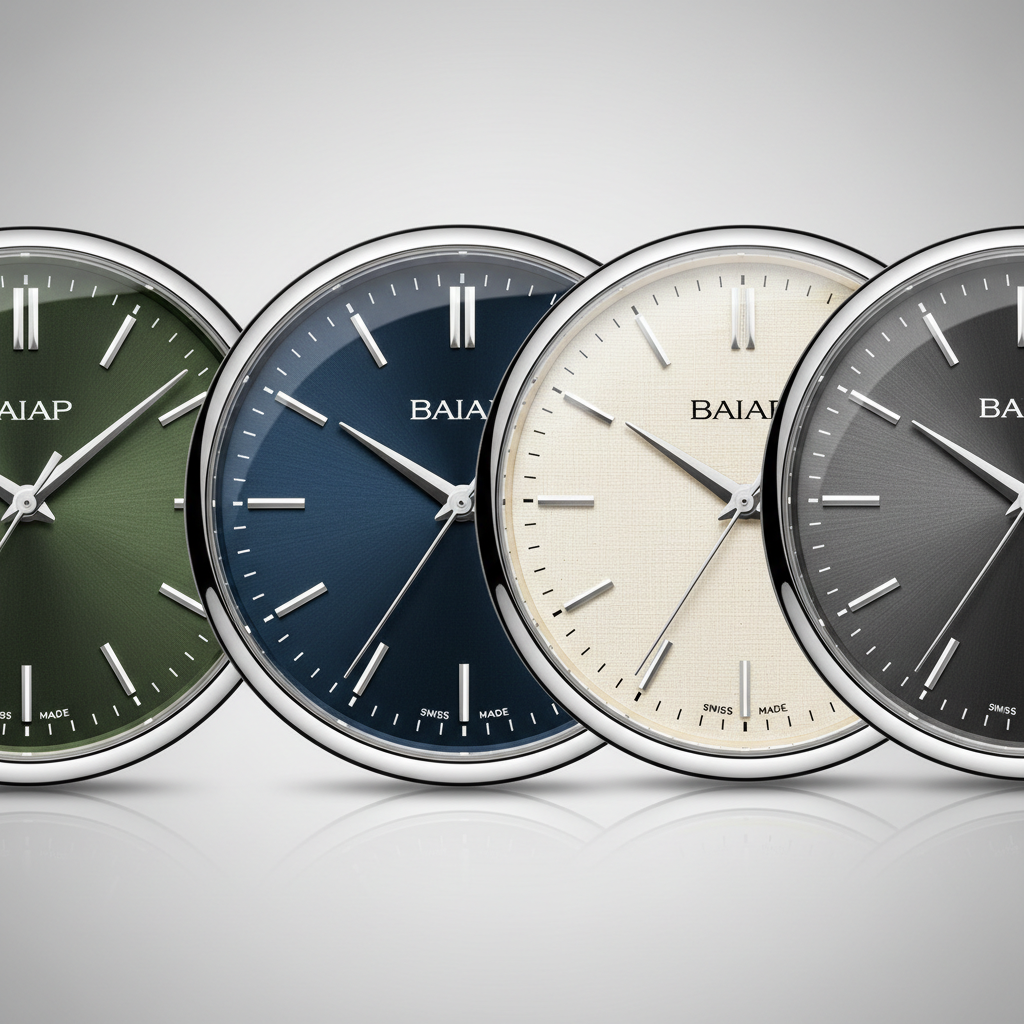
- Color dials (green, salmon, ice blue): fun and modern, best as a second watch. Risk: harder to match with a limited wardrobe.
- Rubber straps and hybrid straps: genuinely useful for comfort and sweat, especially in warmer states. Low risk.
- Vintage cues (beads-of-rice bracelets, gilt accents): often a safe way to be trendy without screaming trendy.
Key point: if a trend changes how the watch feels on wrist (size, weight, strap comfort), it can be worth following. If it’s only about an unusual dial color, treat it like a seasonal jacket, buy it only if you’re sure you’ll wear it.
Quick self-check: which watch style fits your life?
This is the part most guides skip, but it’s where you avoid regret. Answer honestly and your “right” watch gets clearer.
- Work environment: mostly office, client-facing, or remote?
- Wardrobe: more sneakers and tees, or boots and jackets, or tailoring?
- Wrist comfort: do you notice weight and thickness after a few hours?
- Weekend reality: gym, hiking, kid activities, travel, or mostly restaurants and errands?
- Maintenance tolerance: do you enjoy servicing and care, or want set-and-forget?
If you’re remote and casual, you can lean into a sport/field watch with a bracelet and a rubber strap option. If you’re in a suit a few days a week, a slimmer case and calmer dial will pay off more than a loud trend.
How to choose a watch that looks current but stays classic
Here’s a practical way to ride men watch fashion trends without buying something you’ll want to flip in six months.
1) Start with proportions, not brand hype
- Case size: many wrists in the US look balanced around 38–41mm, but comfort beats rules.
- Case thickness: if you wear long sleeves or a jacket often, thinner wears easier.
- Lug-to-lug length: if the lugs hang over your wrist, it will look and feel off, even if the case diameter seems “fine.”
2) Choose a “core” dial color, then add one trend element
A simple formula: keep the dial neutral (black/white/navy/charcoal) and let one detail be modern, maybe a textured dial, a slightly vintage font, or a bracelet style you like.
3) Pick the movement type that matches your habits
- Quartz: low fuss, accurate, great daily choice if you rotate watches or forget to set time.
- Automatic/mechanical: satisfying, traditional, often thicker, may need servicing over the years.
- Smartwatch: best for fitness and notifications, but less “timeless” in fashion terms.
According to the U.S. Federal Trade Commission (FTC)... consumers should pay attention to marketing claims and product descriptions, so read specs like water resistance and materials carefully before assuming a watch can handle your lifestyle.
A simple comparison table: classic vs trend-forward picks
Use this as a quick filter when you’re stuck between two options.
| Criteria | Classic-leaning choice | Trend-forward choice |
|---|---|---|
| Dial color | Black, white, navy | Green, salmon, ice blue |
| Case size | 38–41mm (balanced) | 36–39mm (vintage) or 42mm+ (bold) |
| Bracelet/strap | 3-link steel or brown/black leather | Integrated bracelet, rubber, bright NATO |
| Best for | One-watch collection, work-to-weekend | Second watch, style experimentation |
| Risk level | Lower chance of feeling dated | Higher chance trend cools off |
Common mistakes (and what to do instead)
Most “bad watch buys” come from a few predictable traps.
- Buying for the internet, not your closet: if you never wear green clothing, a green dial may sit in a drawer. Try matching to your top three jacket/shoe colors.
- Ignoring strap comfort: a stiff bracelet or cheap clasp can ruin an otherwise great watch. If possible, try it on, or buy from a retailer with easy returns.
- Assuming water resistance means anything-goes: “30m” often means splashes, not swimming. If you plan to swim, look for higher ratings and follow brand guidance.
- Overpaying for a trend spike: hype pricing can cool down. If you feel rushed, wait a couple weeks and re-check options.
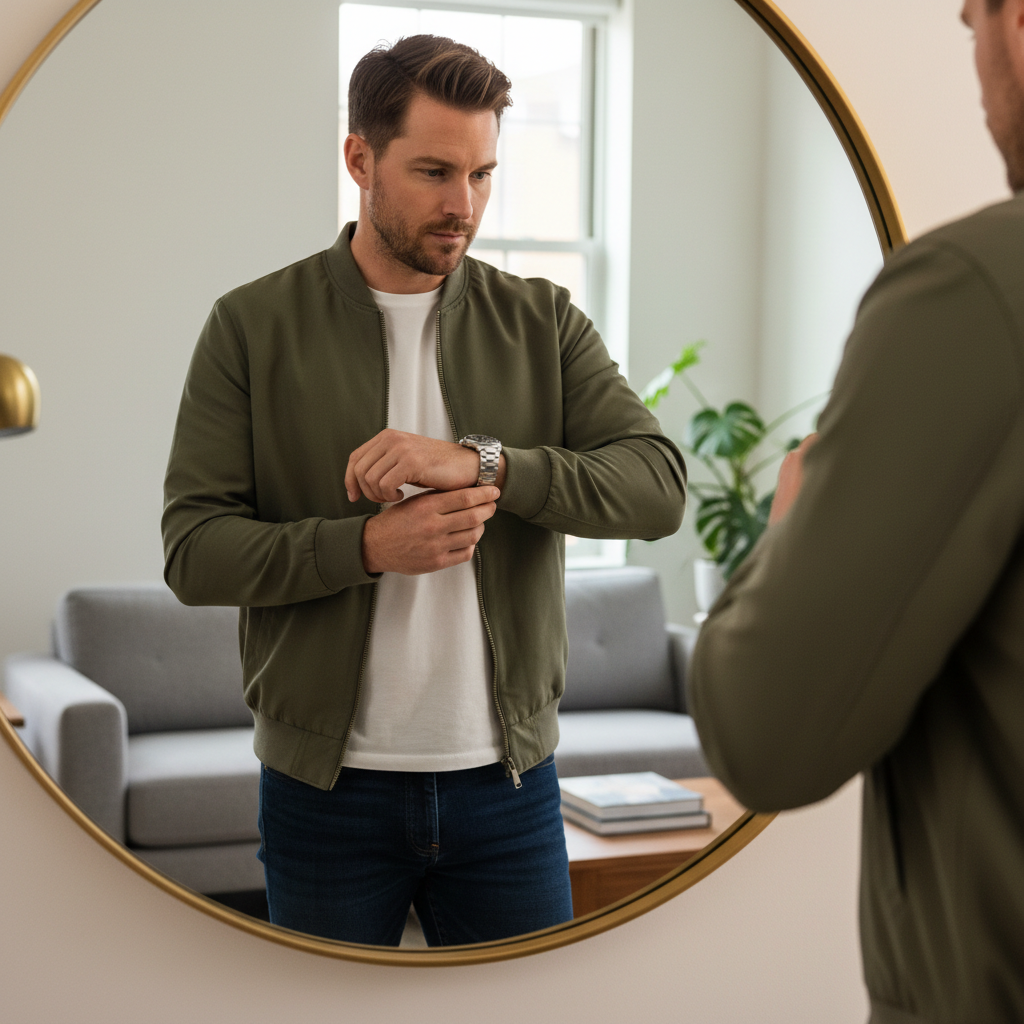
Key takeaway: trends are easiest to adopt through straps, colors, and textures, while case size, thickness, and comfort should be treated as long-term decisions.
When it makes sense to ask for expert help
If you’re buying your first “nice” watch, shopping vintage, or spending enough that you’ll feel the pain if it’s wrong, a second opinion helps.
- Vintage watches: authenticity, service history, and water resistance can be complicated. Consider a reputable dealer, and when in doubt, ask a qualified watchmaker to inspect.
- Resizing and fit: bracelet sizing is simple, but comfort tuning can be finicky. A jeweler can help you avoid scratches and get the fit right.
- Skin sensitivity: if you react to certain metals, it’s worth asking a medical professional and choosing hypoallergenic materials.
Conclusion: a classic watch can still feel current
Men watch fashion trends are useful when they help you find better proportions, more wearable straps, or a fresh detail that fits your wardrobe. If you keep the “core” classic and let one or two elements be modern, you end up with a watch that feels like you, not like a trend report.
If you want a simple next step, pick one everyday watch style (dress, dive-style, or field), decide your comfortable size range, then choose a dial color you can match with most outfits, after that you can play with straps or a second, more expressive watch later.
FAQ
- What men watch fashion trends are most wearable for everyday outfits?
Smaller-to-mid sizes, neutral dials, and comfortable straps tend to wear well daily because they don’t fight your wardrobe, they quietly support it. - Is a 36mm watch too small for most men?
Not necessarily. On smaller wrists it can look balanced and intentional, especially with vintage styling. If you prefer more presence, 39–41mm may feel easier. - Are colorful dials a bad idea if I only own one watch?
Often, yes. A bold dial can limit outfits, unless your closet already leans neutral and you want the watch to be the statement. - What’s the safest “classic” watch color?
Black, white, and navy are typically easiest, they pair with most shoe and belt colors without thinking too hard. - Do integrated-bracelet watches go out of style?
They can cool off when the hype cycle shifts, but a clean, well-proportioned design can still age well. If you love the look, buy for you, not resale. - How should a watch fit on my wrist?
It should sit centered without sliding down your hand, and the lugs shouldn’t overhang. Comfort over a full day matters more than how it looks in one photo. - Is quartz “less fashionable” than automatic?
Not really. Style comes from design and fit. Quartz is practical and can be a smart choice if you want accuracy with minimal maintenance.
If you’re trying to narrow down options, it can help to shortlist three watches and compare them by fit, thickness, dial versatility, and strap comfort, that quick framework usually beats chasing whatever trend is loudest today.