
women seamless underwear soft styles are usually the quickest fix when you want comfort without visible panty lines, but the catch is that “seamless” can mean very different things across brands.
If you have ever bought a pair that looked smooth in the package and then rolled at the waist, trapped heat, or showed edges under leggings, you already know why this topic matters. Small choices like fabric blend, gusset shape, and finish type change how a pair feels by lunchtime.
This guide breaks down what “soft” really comes from, how to tell whether a seamless pair will disappear under clothes, and how to shop by outfit and body needs instead of marketing words.

What “Seamless” Really Means (And What It Doesn’t)
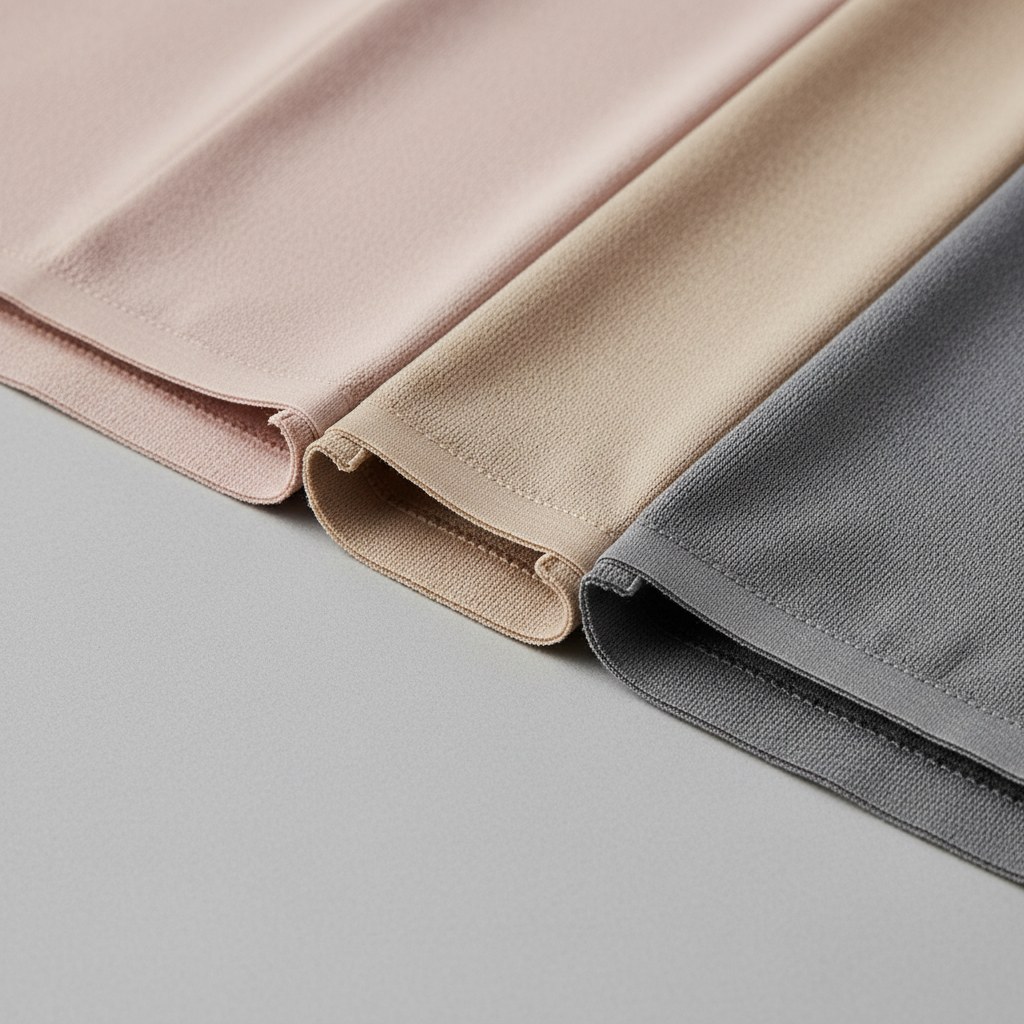
Seamless underwear is often made with knitting or bonding techniques that reduce bulky stitching, especially around the leg openings. That said, most pairs still have seams somewhere, usually at the gusset, and that is normal.
What you can reasonably expect is less edge imprint under clothing and fewer pressure points. What you should not automatically expect is “no rolling,” “no riding up,” or “fits every outfit,” because those depend on cut, fabric recovery, and sizing.
- Laser-cut edges: very flat, great for avoiding lines, but can curl if the fabric lacks structure.
- Bonded seams: glued or heat-bonded panels, often smoother than stitching, but durability varies by care.
- Circular-knit: tube-like construction with fewer side seams, usually stretchy and consistent.
Why “Soft” Feels Soft: Fabric, Finish, and Fit
Softness comes from more than fiber content. Two pairs can both say “nylon/spandex” and feel totally different because of yarn quality, knit density, and finishing.
As a practical shopping shortcut, look for a fabric that feels smooth on the outside but has a gentle “snap back” when you stretch it. If it stretches and stays stretched, comfort may drop fast during the day.
Common materials you’ll see
- Microfiber (nylon/spandex): often the smoothest under clothes and dries quickly, but can feel warm for some people.
- Modal blends: soft and breathable, nice for daily wear, though edges can show more under tight pants if the finish is thicker.
- Cotton gusset: common for comfort; many people prefer it for everyday wear.
According to the American Academy of Dermatology Association, breathable, non-irritating fabrics and avoiding friction can help if you are prone to skin irritation; if you deal with recurring discomfort, it may be worth discussing fabric and fit with a clinician.
Quick Self-Check: Which Seamless Style Actually Suits You?
If you keep buying “soft seamless” pairs and still feel annoyed, it usually helps to diagnose the problem first. Most issues fall into a few patterns.
- You see lines under leggings: you likely need a flatter leg finish (laser-cut) or a different cut that matches your hip shape.
- The waistband rolls: often a size mismatch or a waistband that is too narrow for your torso length.
- Riding up: usually a leg opening that is too tight or too loose, or a cut that does not match your seat shape.
- Feels hot by afternoon: consider lighter microfiber, a breathable knit, or rotating pairs depending on activity level.
One small but real detail: if the gusset is very narrow, some bodies feel “pinched” no matter how soft the fabric is. That is not you being picky, it is geometry.
How to Choose Women Seamless Underwear Soft Options by Outfit
The easiest way to stop wasting money is matching underwear to the job. A “perfect” pair for work pants may be a bad choice for gym leggings.
Outfit-based recommendations
- Leggings and bodycon: laser-cut briefs, thongs, or cheeky cuts with very flat edges.
- Work trousers and denim: microfiber bikini or hipster with a stable waistband that does not roll when you sit.
- Flowy dresses: comfort-first cuts, often fuller coverage, as long as the leg edge stays flat.
- Light-colored bottoms: “nude” shades close to your skin tone tend to disappear better than white.
Key point: seamless does not automatically mean invisible if the edge is thick or the size is off by even a little.
Fit and Sizing: The Part Most People Underestimate
With seamless pieces, sizing errors show up fast because there is less structure to “hide” a bad fit. Too small creates dig-in and rolling, too big creates shifting and edge ripples.
A simple at-home fit test
- Walk up a flight of stairs and sit for five minutes. If you keep adjusting, the cut or size is likely wrong.
- Check the leg openings in the mirror under fitted pants. If you see a ridge, try a different finish or size.
- Pay attention to waistband comfort after a full meal, that’s when rolling and pressure points show up.
Many brands size differently, so your “usual” size is a starting point, not a guarantee. If you fall between sizes, the better choice depends on the fabric: very stretchy microfiber often tolerates sizing down, while less stretchy modal blends may feel better sizing up.
Comparison Table: Styles, Best Uses, and Tradeoffs
Use this as a quick filter when shopping, then read product details for edge finish and fabric weight.
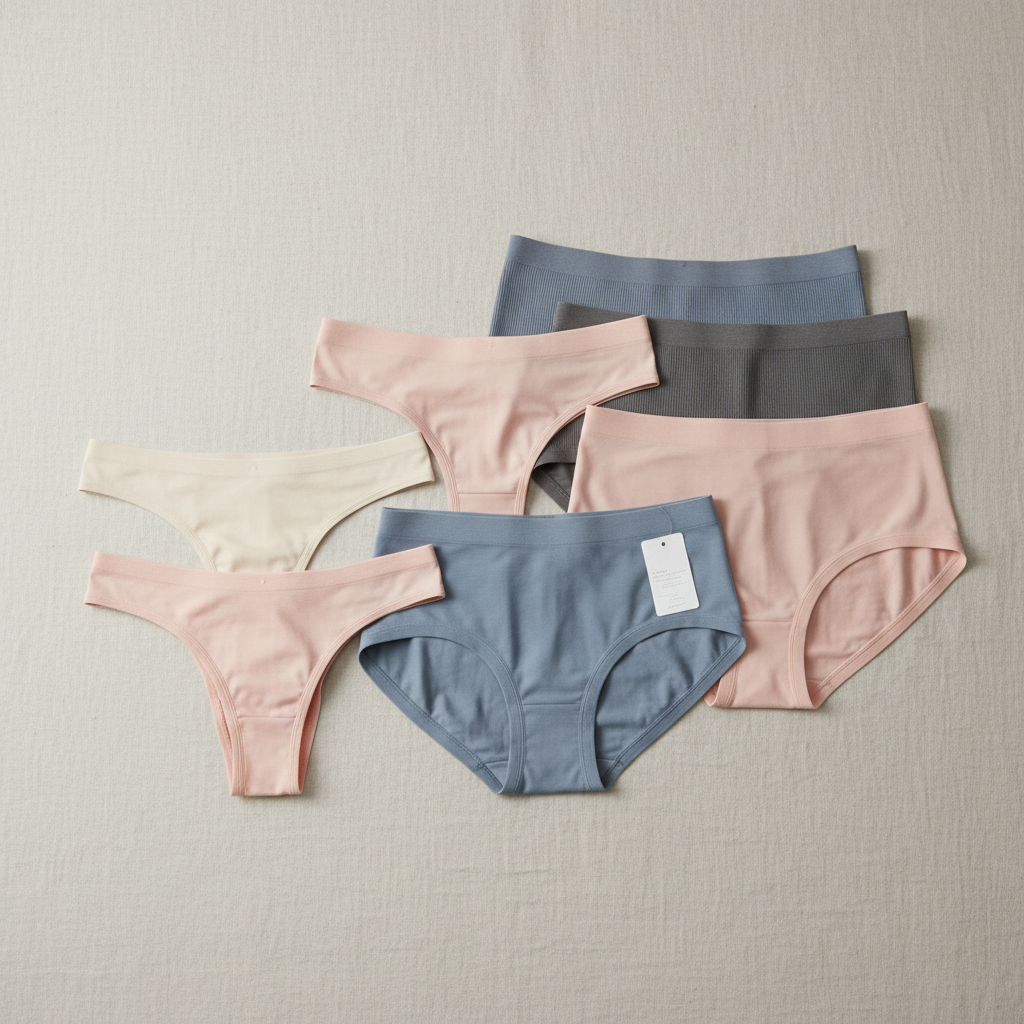
| Style | Best for | What to watch |
|---|---|---|
| Seamless thong | Leggings, tight dresses | Can shift if the waistband is too loose |
| Seamless bikini | Everyday wear, jeans | Leg edge thickness can still show |
| Seamless hipster | Mid-rise pants, long sitting days | Rolling if waistband is narrow or size is small |
| Seamless brief | Comfort and coverage | May create lines if the leg opening is not flat |
| Seamless boyshort | Skirts, chafe-prone thighs | Short legs can ride up under movement |
Care Tips That Keep Seamless Underwear Soft (Longer)
Seamless pieces can lose that “barely there” feel if elastic fibers break down or bonded edges start to lift. Care is not glamorous, but it matters.
- Wash cold and gentle: helps preserve stretch recovery and soft hand-feel.
- Use a mesh laundry bag: reduces snags and twisting in the wash.
- Avoid high heat drying: heat can weaken spandex and shorten lifespan; air-dry when possible.
- Skip heavy fabric softener if possible: it can leave residue that affects breathability for some fabrics.
Common Mistakes (So You Don’t Keep Rebuying the Wrong Pairs)
Most disappointment comes from assuming one pair should cover every scenario. Real life is more specific than that.
- Buying “seamless” for breathability: seamless is about construction, not airflow; fabric choice drives that.
- Choosing the smallest size to avoid lines: it often creates deeper lines and discomfort.
- Ignoring waistband design: a too-thin waistband can roll even if the body fabric feels amazing.
- Judging softness only in the store: some fabrics feel plush at first but get clingy or warm after hours.
Conclusion: What to Prioritize for All-Day Comfort
If your goal is comfort that stays consistent from morning to evening, prioritize fit and edge finish first, then pick the soft fabric you personally tolerate well. That order sounds boring, but it saves you from drawers full of “almost right.”
Your next step can be simple: choose one outfit you wear a lot, pick a seamless cut built for that outfit, and test it on a normal day, not a quick try-on. Once you find a winner, buying multiples makes sense.
FAQ
What is the softest fabric for seamless underwear?
Many people find microfiber (often nylon/spandex) very soft and smooth, especially under tight clothing. Modal blends can also feel very soft, but the “softest” option depends on your skin sensitivity and how warm you run.
Why does seamless underwear roll down at the waist?
Rolling usually points to a waistband that is too narrow, too tight, or sitting at a spot where your body naturally creases when you sit. Trying a different rise or a slightly different size often helps more than switching brands randomly.
Is women seamless underwear soft good for working out?
It can be, especially if it stays in place and dries quickly. For higher-sweat workouts, look for breathable knits and consider rotating pairs; if you experience irritation, it may help to adjust fabric choice and consult a professional if symptoms persist.
How do I stop seamless underwear from riding up?
Riding up is often a cut mismatch, not a “you” problem. A wider gusset, different leg opening shape, or a style with more seat coverage can reduce shifting during walking.
Do seamless thongs really prevent visible panty lines?
Often yes, but only if the edges are truly flat and the size is right. A thong with thicker bonded edges can still show under thin leggings.
How many pairs should I buy when testing a new style?
Start with one or two pairs so you can test comfort, rolling, and durability after washing. If the fit stays consistent after a few wears, then it makes sense to stock up.