
Best headbands for women fashion usually come down to three things you feel immediately: comfort at the temples, grip that doesn’t slide, and a look that matches what you actually wear day to day.
If you’ve ever bought a “cute” headband that gave you a headache by lunch, or one that looked great online but cheap in person, you already know why this category is trickier than it seems. A headband is small, but it sits on your face line, it changes your silhouette, and it can make an outfit look intentional in about five seconds.
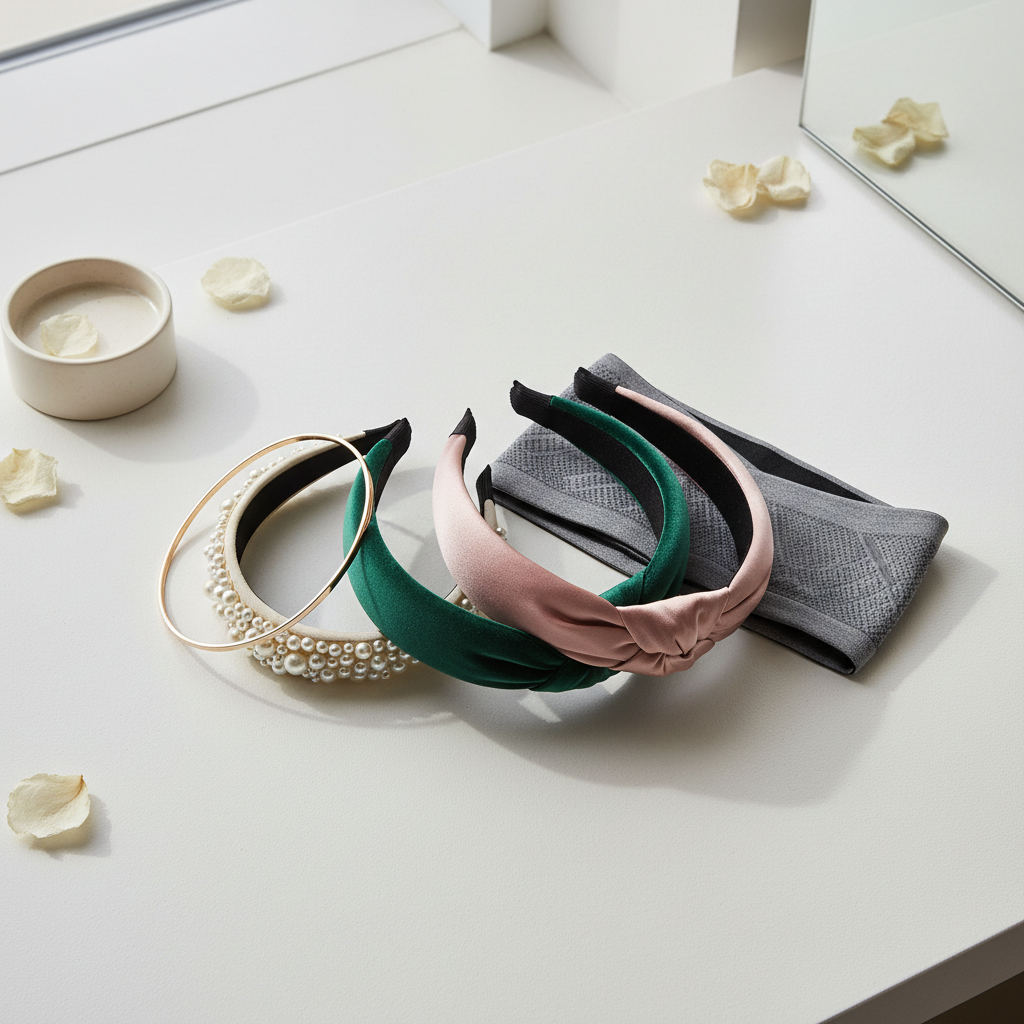
Below is a practical guide to choosing styles that work for your hair type and your routine, plus a few styling “rules” that keep headbands from looking costume-y. I’ll also call out common mistakes, because most disappointment comes from mismatching materials and fit, not from choosing the “wrong trend.”
What makes a headband “best” for fashion (not just cute)
In real life, fashion headbands have to do two jobs at once: they need to look good in a mirror and stay put when you move. When either side fails, the headband stops being a style tool and becomes a nuisance.
- Comfort points: pressure at temples, top-of-head pinch, and whether the ends dig behind ears.
- Grip: fabric friction, teeth/comb edges, interior silicone, and band tension.
- Finish quality: stitching at the underside, fabric shine that reads “intentional” vs “plastic,” and neat knot placement.
- Proportion: width vs your face shape and hairstyle volume (a wide padded band can overwhelm fine, flat hair).
- Outfit compatibility: if it only matches one dress, it’s more accessory than staple.
According to the American Academy of Dermatology Association, tight hairstyles and constant tension can contribute to traction hair loss in some people. You don’t need to panic, but if a headband leaves deep marks or you feel soreness, it’s a sign to size down tension or rotate styles.
Quick comparison table: popular headband styles and who they suit
If you want the “shopping shortcut,” start here, then use the next sections to refine by hair type and occasion.
| Style | Best for | Watch-outs | Outfit vibe |
|---|---|---|---|
| Padded velvet headband | Medium to thick hair, fall/winter looks | Can slip on very fine hair; heat indoors | Polished, classic |
| Satin knot headband | Date nights, office outfits, blowouts | Shine can look cheap if fabric is thin | Feminine, elevated |
| Thin metal headband | Short hair, pixies, sleek styles | Temple pressure; can snag hair | Minimal, modern |
| Pearl or crystal embellished | Events, photos, weddings | Weight; snagging; can read “juvenile” if oversized | Dressy, statement |
| Wide fabric (boho/turban) | Curly/coily hair, wash days, volume | Can flatten edges if too tight | Relaxed, artsy |
| Athleisure headband | Workouts, errands, greasy-hair days | Not all look “street” outside the gym | Sporty, casual |
How to choose by hair type (so it actually stays on)
Most “my headband slips” complaints come from a mismatch between texture and structure. If you pick based on hair behavior, the same headband suddenly feels like a hack.
Fine or silky hair
- Look for interior grip: velvet lining, silicone strips, or subtle teeth.
- Choose lighter padded styles; heavy embellishment can drag backward.
- Style tip: a quick mist of texturizing spray at the crown can help, but avoid buildup near the hairline.
Thick, long, or heavy hair
- Pick sturdier cores (structured padded bands, strong acetate) that won’t warp.
- A slightly wider band balances volume better than a thin metal one.
- If you wear ponytails often, test whether the headband “fights” your elastic placement.
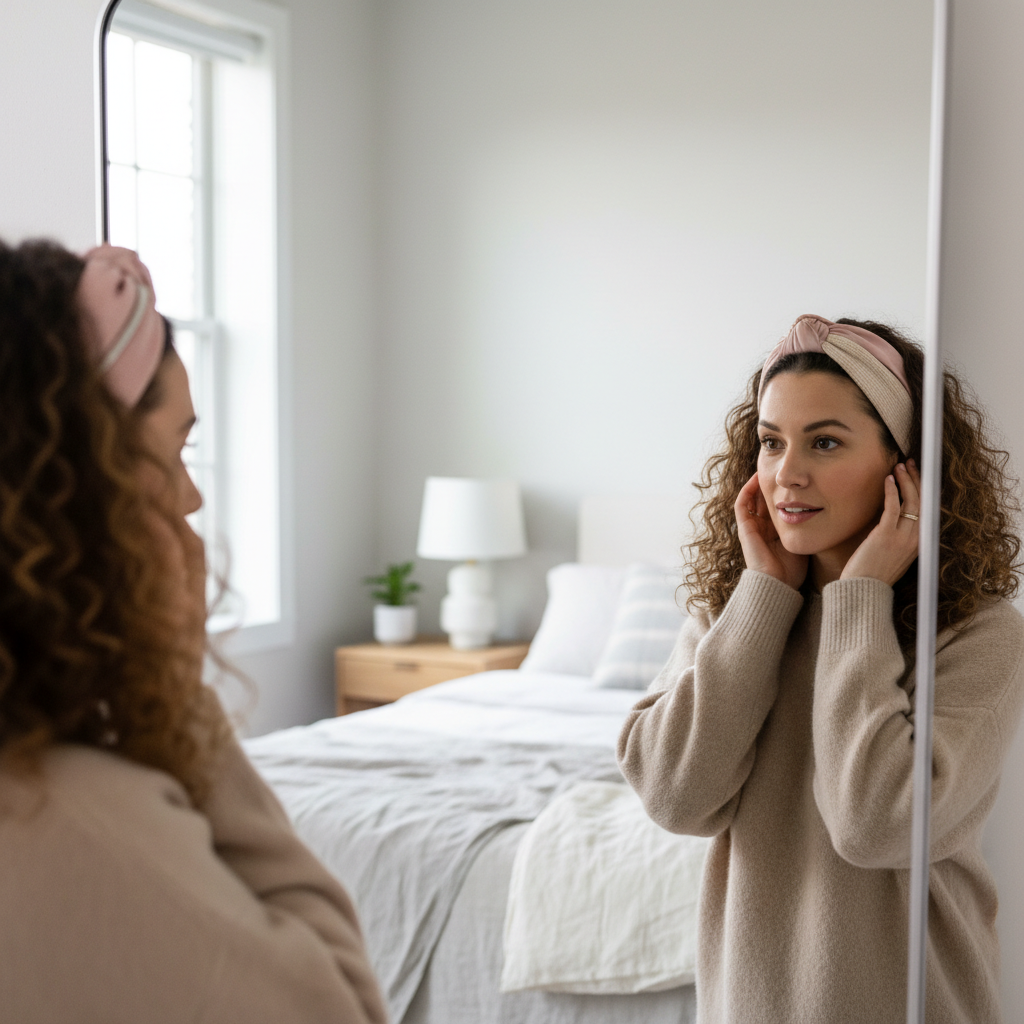
Curly, coily, or natural textures
- Go for soft, wide fabric that spreads pressure and protects edges.
- Consider satin-lined or smooth finishes if you notice frizz from friction.
- On protective styles, aim for flexible bands that don’t disturb the pattern or parts.
Straight hair with oily roots
- Choose materials that won’t show oil fast, like textured fabric or matte finishes.
- Avoid ultra-shiny satin if you’re using it as a “day-three hair” cover-up.
Style rules that keep headbands looking modern
Headbands can look instantly chic or slightly “costume,” and the difference is usually styling restraint. A few small choices do the heavy lifting.
- Match formality, not color: a pearl band can work with denim, but keep the rest of the look simple.
- Balance volume: padded headband plus big curls can feel top-heavy; try a lower, looser wave.
- Show a little hairline: pushing the band back 1–2 inches often reads more grown-up than a tight hairline placement.
- Keep one statement: if the headband has sparkle, skip large earrings, or go minimal.
Key takeaway: the “best headbands for women fashion” are the ones that look like they belong to the outfit, not like the outfit was built around them.
A simple self-checklist before you buy
If you’re shopping online, you can still avoid most misses by doing a quick, slightly picky scan of product details and photos.
- Do you see the underside clearly (lining, teeth, stitching)? If not, expect surprises.
- Is the band described as flexible or “one size”? If you get headaches easily, prioritize flexibility.
- Are there close-ups of the knot/ends? Bulky ends usually cause pressure behind ears.
- Does the fabric reflect light like plastic? If yes, it may look cheaper in daylight.
- Can you imagine wearing it with three outfits you already own? If not, pause.
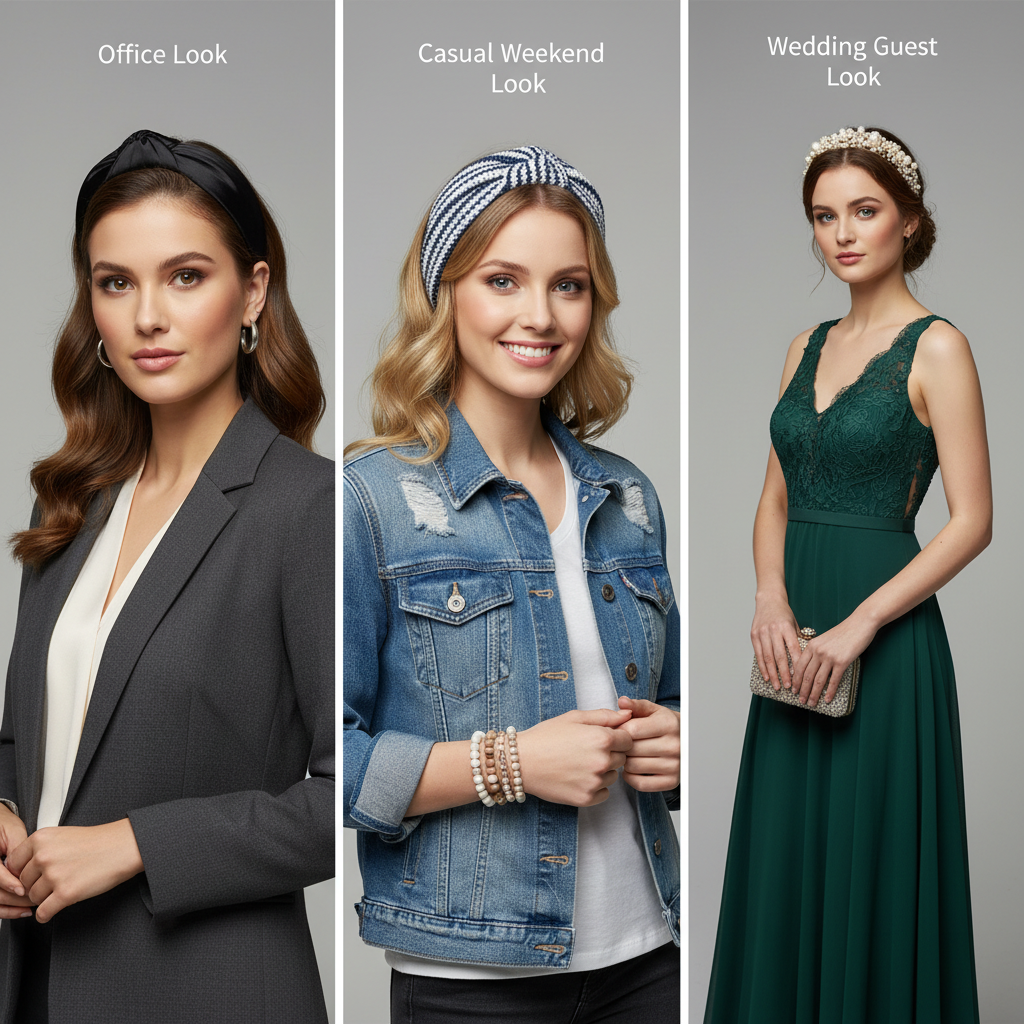
Outfit-based picks: what to wear for work, weekends, and events
This is where headbands become genuinely useful: you can pick a small set and rotate without overthinking.
Work and video calls
- Satin knot or matte padded styles in black, navy, espresso, or soft taupe.
- Keep shine controlled; camera lighting can exaggerate gloss.
Casual weekends
- Textured fabric, ribbed knits, or thin bands with a clean finish.
- For “I didn’t wash my hair” days, wider bands hide roots better than thin metal.
Weddings, parties, and photos
- Pearl/crystal pieces work best when the scale is moderate and the base looks sturdy.
- Try it with your hairstyle first; embellishments can catch on curls and pins.
How to make headbands stay put: quick, realistic fixes
Even the best-looking band won’t get worn if it slides. These are low-effort tweaks that tend to help without making your hair crunchy.
- Anchor with bobby pins: cross two pins behind the ears to “lock” the ends.
- Add texture at the base: a tiny bit of dry shampoo at the crown improves grip on many hair types.
- Choose the right placement: moving the band slightly back often reduces forward slip.
- Try a half-up base: a small half ponytail gives the band something to resist.
- Don’t over-stretch: stretching a rigid band can cause a permanent warp that worsens slipping.
If you notice scalp irritation, breakouts near the hairline, or persistent soreness, consider gentler materials and shorter wear time, and if symptoms persist it may be worth asking a dermatologist for guidance.
Care and storage: keep them from peeling, denting, or fading
Headbands tend to die from friction, makeup transfer, and being tossed into bags. A little care keeps even affordable pieces looking “new enough.”
- Spot clean fabric with mild soap and water, then air dry fully to prevent odor.
- Wipe acetate or plastic with a soft microfiber cloth, avoid harsh cleaners that cloud shine.
- Store padded styles standing or in a shallow drawer so they don’t get dents.
- Keep embellishments separate so crystals and pearls don’t scratch other items.
Conclusion: build a small headband “wardrobe” that actually gets worn
If you want a reliable rotation, pick one comfortable everyday band, one polished work option, and one statement piece for events, then stop buying random styles that don’t match your hair or clothes. That small approach usually delivers more outfits and fewer regrets.
Your next step can be simple: choose one headband style from the table that fits your hair type, test it for a full day of comfort, and only then add a second option. That’s how you end up with best headbands for women fashion in practice, not just in theory.