
how to style short hair easy starts with two things most people skip, the right prep and a plan for your specific cut, because pixies, bobs, and shags behave very differently once you touch heat or product.
If your short hair looks great at the salon but confusing at home, you are not alone, short styles show every bend, cowlick, and “why is it flipping there” moment, and they also react fast to humidity, sleep, and product buildup.
This guide keeps it practical, you will get a few fast routines, a small product cheat sheet, and fixes for the common problems that make short hair feel “hard,” even when the cut itself is simple.
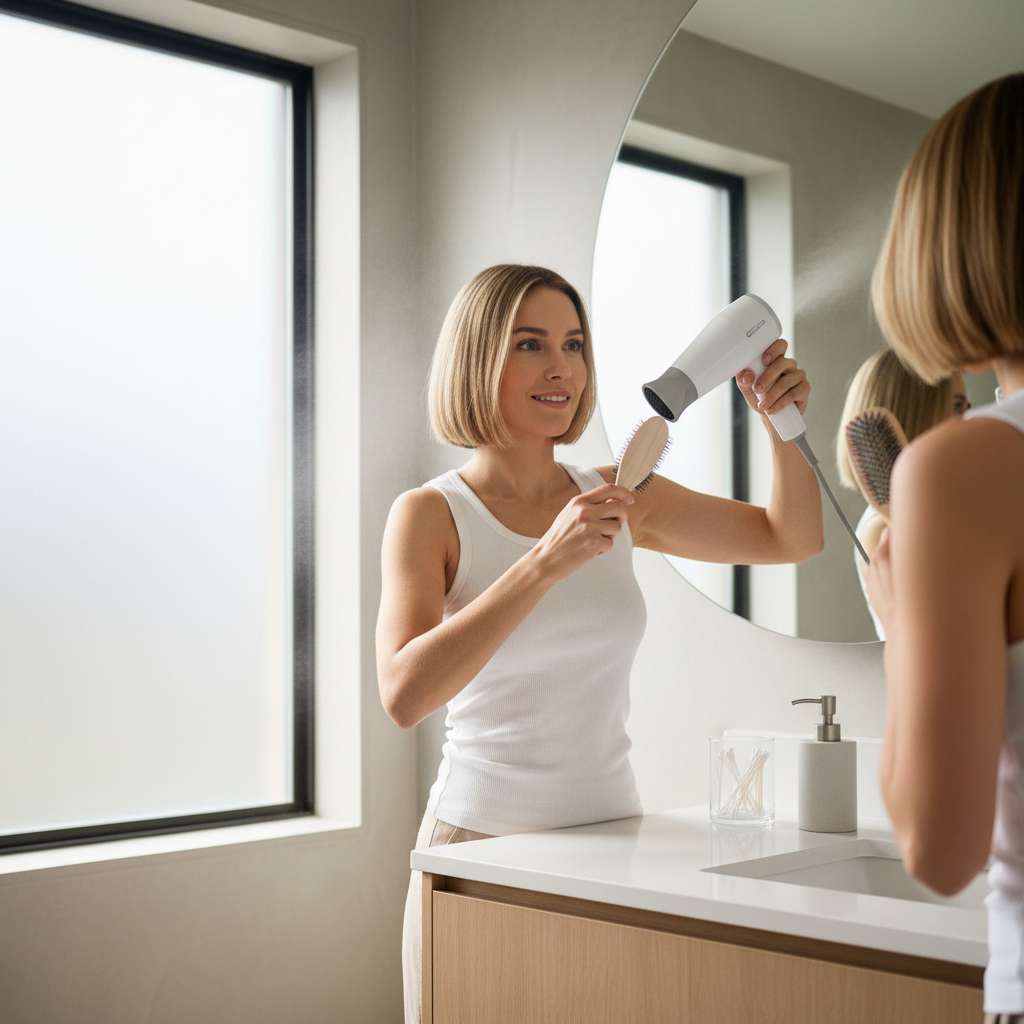
Start with the “invisible” steps: cut shape, hair texture, and goals
Short hair is less forgiving, but it is also easier to steer once you name what you are working with, your texture, density, and what you want the style to do, volume, smoothness, piecey definition, or a quick tuck-behind-ears look.
- Cut type: pixie, bixie, bob, lob, shag, undercut, each has different “default direction” from the scissor work.
- Texture: straight, wavy, curly, coily, plus porosity, which affects frizz and shine.
- Density and strand thickness: fine hair needs lighter products, thick hair often needs sectioning and stronger hold.
- Your time budget: a 3-minute routine should not rely on a flat iron and three brushes.
According to the American Academy of Dermatology Association, heat styling can contribute to hair damage, so for frequent styling, it helps to keep temperatures moderate and use a heat protectant when you do reach for hot tools.
A quick “what do I do today?” checklist
When people ask how to style short hair easy, they usually mean “tell me what to do in the morning without thinking,” so use this quick decision path and you will waste less time starting over.
- Is your hair clean or second-day? Clean hair often needs grip, second-day hair often needs reset at the roots.
- Is your biggest issue volume or frizz? Pick one priority, chasing both can make hair feel heavy.
- Do you want movement or polish? Movement uses paste, spray wax, or light mousse, polish leans to cream, serum, or a smoothing blowout.
- Do you see cowlicks or odd bends? Those need targeted wetting and re-direction, not more product everywhere.
Key point: If you only change one thing, start by re-wetting the “problem zones” with a spray bottle, short hair responds more to moisture and direction than to piling on product.
Easy styling routines by cut (3–10 minutes)
Pixie and short crop: piecey, not puffy
For a pixie, the goal is usually controlled texture, not helmet volume, and your hands matter more than any tool.
- Towel-dry to damp, then rub a pea-size light styling cream between palms.
- Press product into the crown and sides, then pinch ends forward for definition.
- Air-dry for a softer look, or blow-dry 60–90 seconds while pushing hair where you want it to live.
- Finish with a tiny amount of paste on fingertips, tap it on the perimeter and fringe.
If you fight a cowlick, wet that spot, blow-dry it from the opposite direction, then lay it back into place, it feels fussy, but it is faster than repeating the whole head.
Bob and lob: bend the ends on purpose
Bobs tend to “decide” to flip or curl under depending on your neck, collar, and growth pattern, you win by choosing a bend rather than arguing with it.
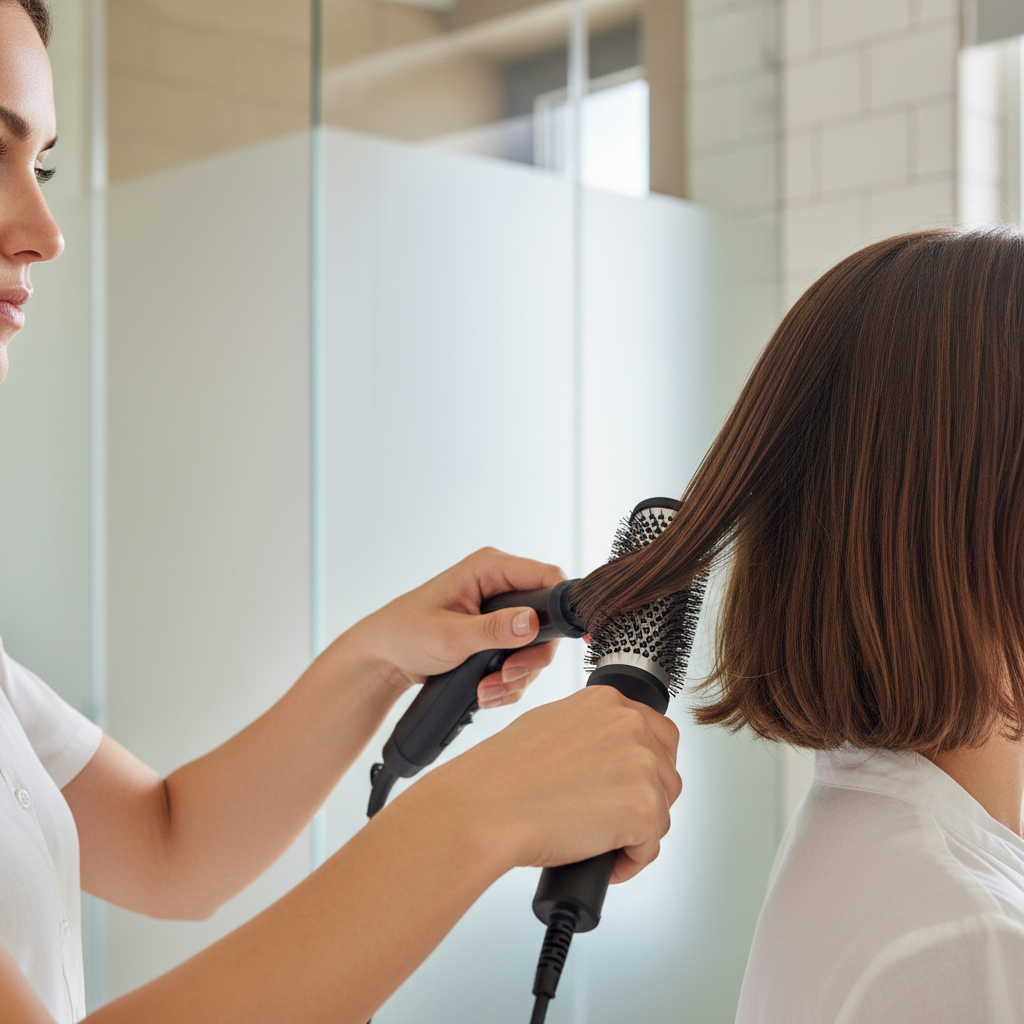
- Apply a heat protectant and a small amount of smoothing cream on mid-lengths to ends.
- Blow-dry with a paddle brush until 80–90% dry, then switch to a round brush for the last minute.
- Pick your finish, tuck under for polish, or flick slightly out for a modern, casual look.
- Lock in with a light mist of flexible hairspray, not a hard shell.
Short shag and layered cuts: enhance what your hair already does
Layered short hair looks best when you encourage natural texture, trying to make it perfectly smooth often makes it look “poofy” because the layers separate.
- On damp hair, scrunch in mousse or a curl-enhancing foam, focus on roots and crown.
- Diffuse on low heat, low airflow, stop when hair is mostly dry.
- Break up any crunchy cast with a drop of lightweight oil on palms, then shake at the roots.
This is where how to style short hair easy can be truly easy, you are not creating texture, you are just shaping it.
Tools and products that actually matter (and what to skip)
You do not need a drawer full of tools, but you do need a couple that match short hair scale, oversized tools often make you over-style and flatten your roots.
| Goal | Best tool | Product type | Common mistake |
|---|---|---|---|
| Root lift | Blow dryer + vent brush | Light mousse or root spray | Using heavy oil at roots |
| Smooth bob | Small round brush | Smoothing cream + heat protectant | Too much product, ends look greasy |
| Piecey texture | Hands + mini flat iron (optional) | Paste or spray wax | Applying paste like lotion everywhere |
| Beachy bend | 1-inch curling iron or flat iron | Texturizing spray | Curling every section the same direction |
Skip, most of the time: strong gels for fine short hair, heavy butters near the scalp, and very high heat, short hair sits close to your head so damage shows fast.
Fix the top 6 short-hair problems without restarting
Most “bad hair days” with short cuts come from one or two spots, not the whole style, so spot-fixing saves time and keeps hair healthier.
- Flat crown: mist roots with water, add a tiny mousse, blow-dry lifting straight up for 20–30 seconds.
- Frizzy halo: smooth a rice-grain amount of serum over the outer layer only, then press with warm hands.
- Ends flipping weird: re-wet ends, round-brush just the last inch, choose under or out and commit.
- Greasy at roots, dry at ends: dry shampoo at roots, light cream on ends, avoid brushing product through.
- Too much volume at sides: blow-dry sides downward with a brush, then add paste only at the top for balance.
- Hat hair: shake at the roots, hit the crown with cool air, then pinch texture back into place.
Make it last: simple habits that keep styling easy
Short hair can look “done” for days if you treat bedtime and refresh steps as part of styling, not an extra chore.
- Night: sleep on a silk or satin pillowcase, or use a soft wrap, it can reduce friction and frizz for many hair types.
- Morning refresh: spray bottle for bends, then blow-dry only the front and crown, most people do not need a full redo.
- Wash rhythm: if you wash daily, use a gentle shampoo, if you stretch washes, clarify occasionally to avoid dull buildup.
- Trim cadence: many short cuts need shaping every 4–8 weeks, depending on growth and how sharp you like the outline.
Key point: When your cut grows out, styling time usually increases, if mornings keep getting harder, it might be time for a shape refresh rather than a new product.
When to ask a pro (and what to say in the chair)
If your short hair never sits right no matter what you do, it may be the cut geometry, not your technique, and a quick consult can save weeks of frustration.
- If you have strong cowlicks, ask for directional cutting around the crown and hairline.
- If your bob triangles out, ask to remove weight internally, not shorten the perimeter.
- If your hair feels fragile or breaks with heat, consider reducing hot tool use and ask a stylist or dermatologist for guidance, especially if shedding feels sudden or unusual.
Bring two photos, one of what you like, one of what you hate, it sounds small, but it helps the stylist avoid the exact silhouette that annoys you.
Conclusion: keep it easy by keeping it specific
how to style short hair easy becomes realistic when you stop chasing one universal routine and start matching your steps to your cut, your texture, and your real mornings, a two-minute refresh can beat a twenty-minute re-style.
Try one change this week, either switch to a lighter product at the roots, or commit to re-wetting and re-directing only the sections that misbehave, then see what improves before you buy anything new.