
Best chinos for men slim fit usually come down to three things you can actually feel: the rise that matches your torso, a fabric weight that holds shape, and just enough stretch to move without bagging out by lunch.
If you’ve tried “slim fit” before and it looked painted-on, or it fit in the waist but ballooned at the calf, you’re not alone. Brands label fits differently, and little details like thigh grading and taper angle change everything.
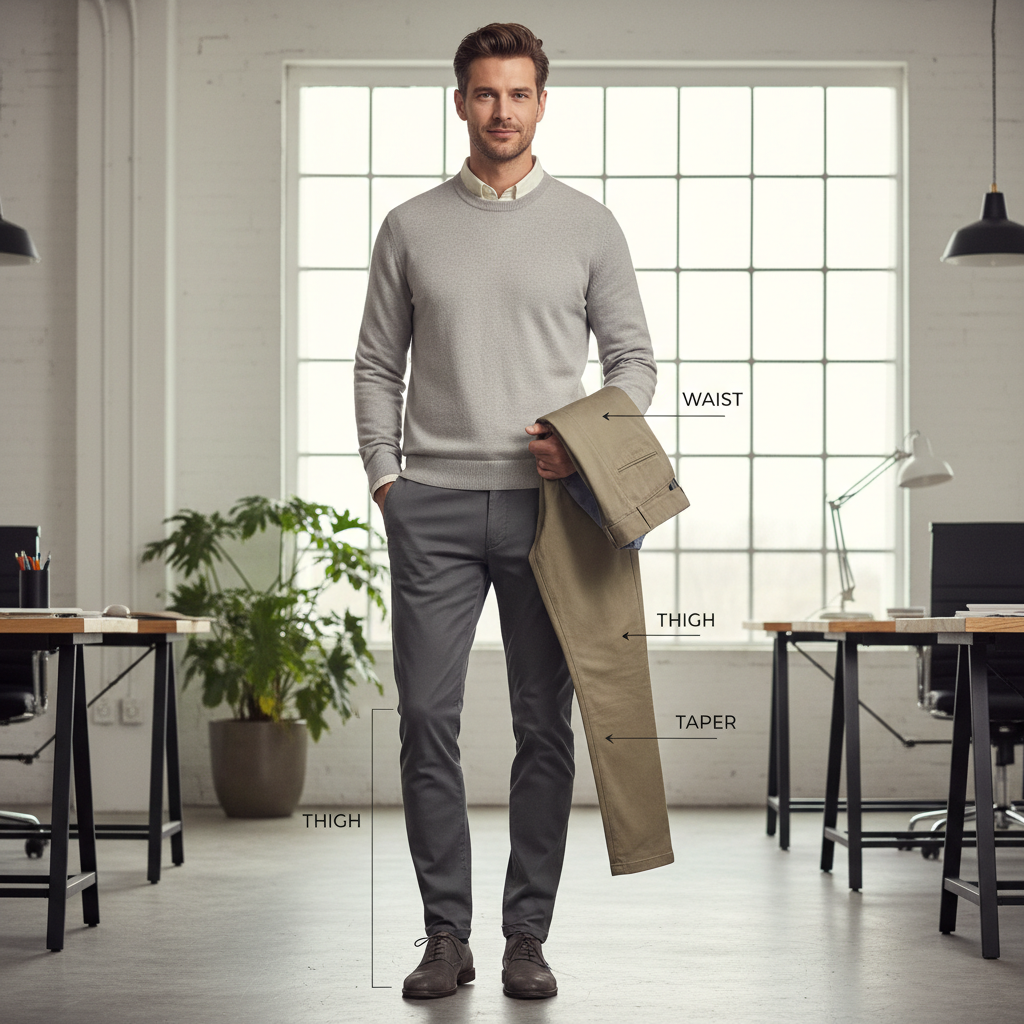
This guide focuses on what to buy in 2026, but more importantly, how to judge a pair fast, so you stop returning pants because the fit “felt off.” I’ll also call out common traps, like chasing a smaller waist to get a slimmer leg.
What “slim fit chinos” actually means in 2026
Most brands use “slim” as a relative term inside their own lineup, not a universal standard. In practice, slim chinos tend to have a trimmer thigh than classic fits, plus a noticeable taper from knee to hem, but the exact measurements vary a lot.
Here’s the real-world translation you can use when comparing product pages:
- Slim vs. straight: slim pulls in the thigh and knee, straight keeps a similar width down the leg.
- Slim vs. skinny: skinny often clamps the calf and ankle, slim should still drape and not highlight every pocket outline.
- Taper matters: two “slim” pants can share a thigh width, but a sharper taper makes one look much slimmer.
Also, a lot of 2026 “slim” fits quietly moved a touch roomier in the thigh for comfort, while keeping a clean taper. That’s usually good news if you sit a lot, walk a lot, or just don’t want the knee area to pull.
How to choose the best slim fit chinos for your body and lifestyle
Before you chase the best chinos for men slim fit by brand name, decide what your week looks like. Office days, travel, weekend wear, or one pair doing everything will push you toward different fabrics and details.
Start with rise and waistband comfort
Rise changes how “slim” a chino reads. Mid-rise is the safest default for most guys. Low-rise can look sleek, but it also magnifies tightness in the seat and can create waistband gapping if your hips differ from your waist.
- If you get lower-back gap: look for a contoured waistband, or consider sizing for hips and tailoring the waist.
- If the front pulls when you sit: rise may be too low, not just “too small.”
Pick fabric weight based on climate and drape
Chino fabric weight is a sneaky lever. Lighter fabric breathes but can show pocket outlines. Heavier fabric holds shape and looks sharper, but can feel warm in humid states.
- Warm weather: lighter cotton blends, breathable weaves, minimal lining.
- Four-season: midweight twill with a bit of structure.
- Dressier look: smoother face, tighter weave, richer dye.
Stretch: enough to move, not enough to sag
A little elastane (or similar) usually improves comfort, especially in a slim cut. Too much stretch can mean knees bag out and the seat loses shape. If you’ve had chinos that look great at 9 a.m. and tired by 3 p.m., this is often why.
Quick comparison table: what to look for by use case
If you want a fast “shopping filter,” this table gives you a practical starting point. Think of it as a way to narrow options before you start obsessing over color names.
| Use case | Fit priorities | Fabric priorities | Details to prefer |
|---|---|---|---|
| Business casual office | Clean taper, no pulling at seat | Midweight, structured twill | Minimal branding, smooth finish, secure pockets |
| Travel and long days | Comfortable rise, flexible thigh | Wrinkle-resistant blends | Hidden zip pocket, extra stretch, reinforced seams |
| Weekend casual | Slim but relaxed through thigh | Softer hand feel | Washed colors, slightly wider hem works with sneakers |
| Warm climate | Less cling, breathable drape | Lighter weight cotton blends | Airier weave, lighter colors, comfortable waistband |
A simple fit checklist (use this in the fitting room or at home)
This is the part most guys skip, then they wonder why the “slim” chino never gets worn. Use these checks in front of a mirror, then do a sit test.
- Waist: you can fit two fingers comfortably, no “cinched” look, no constant tugging.
- Seat: fabric lies flat, no horizontal stress lines across the butt.
- Thigh: you can pinch a small amount of fabric, but it doesn’t billow.
- Knee: no sharp pulling when you bend, and the knee doesn’t look baggy when standing.
- Taper line: the leg looks intentionally narrow, not like it collapses around the calf.
- Hem opening: works with your main shoe type, not just one pair.
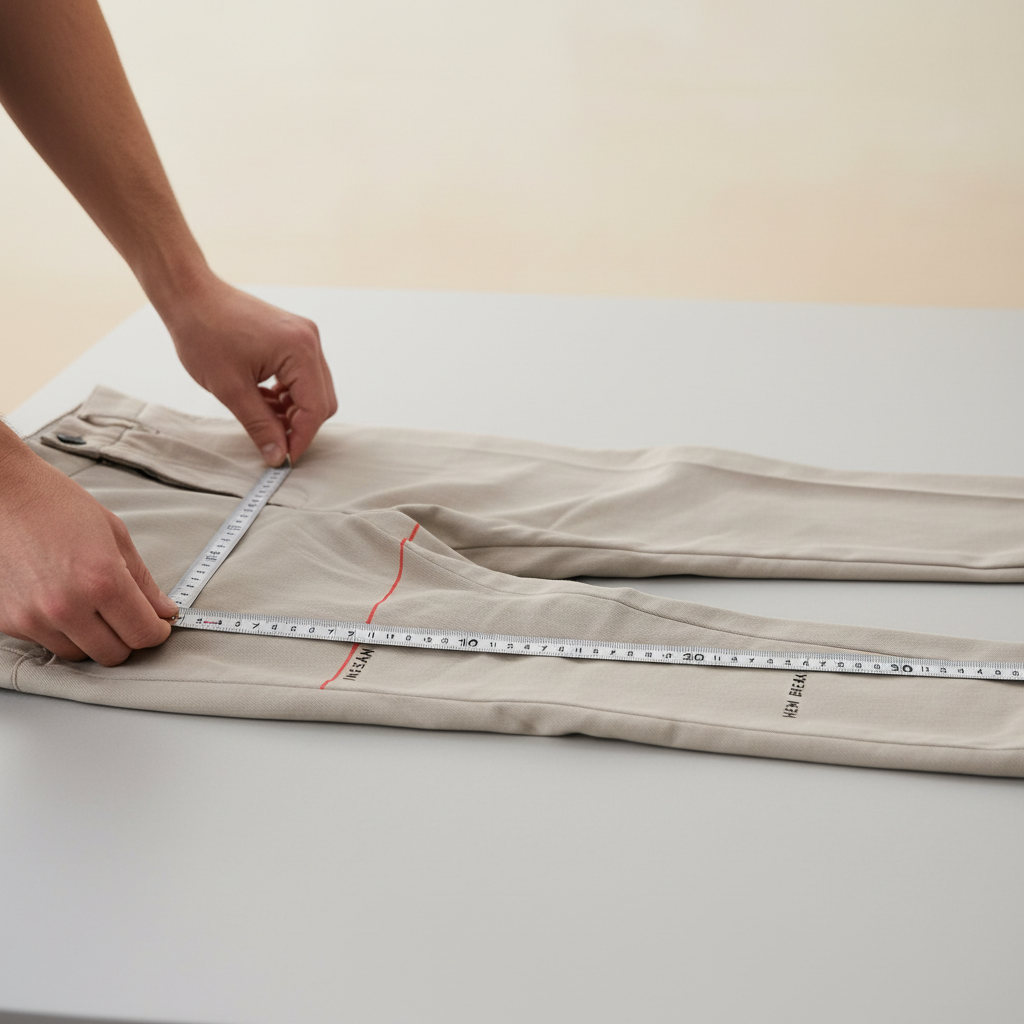
One extra check that saves returns: look at pocket flare. If front pockets open outward when you stand, the hip area is too tight or the pocket bag is bulky for the cut.
Buying tips that matter more than brand names
You can find the best chinos for men slim fit at a lot of price points, but the buying process changes your odds. Small choices, like ordering two inseams or prioritizing fabric, usually beat guessing one size and hoping.
Prioritize fit over “downsizing”
Slim should come from pattern, not from squeezing into a smaller waist. If you size down to get a narrower leg, you typically create stress lines, pocket flare, and premature wear at the inner thigh.
Use reviews for consistency, not hype
Reviews are most useful for recurring notes like “waist runs big,” “calves are tight,” or “fabric bags out.” Ignore the dramatic extremes and look for repeated fit comments from people with similar height and build.
Hem and taper are your friend (and often cheap)
Tailoring can turn a “pretty good” pair into your go-to. Hemming is straightforward, and a slight taper adjustment can clean up the silhouette if the calf feels wide. According to the Federal Trade Commission (FTC), when shopping online it helps to check return terms and timelines before ordering multiple sizes, because policies can vary.
Care and maintenance: keep slim chinos looking slim
A lot of slim-fit disappointment is laundry-related. Cotton relaxes, stretch fibers fatigue, and heat can shift fit. You don’t need to baby them, but a few habits help.
- Wash less, spot clean more: helps preserve dye and shape.
- Cold wash, gentle cycle: reduces shrink risk and fiber stress.
- Skip high heat drying: air dry or low heat when possible, especially for stretch blends.
- Hang after drying: keeps creases cleaner and reduces knee bagging.
If your chinos shrink a bit after the first wash, that’s common with cotton-heavy fabrics. If the fit becomes unwearable, you may want to check the fiber content next time, or consider a different weave.
Key takeaways and a realistic recommendation path
If you only remember a few things, remember these. They’ll get you closer to the best chinos for men slim fit without overthinking it.
- Fit comes from rise and thigh first, taper second, inseam last.
- Midweight fabric usually looks sharper and holds shape longer than super-light cloth.
- Moderate stretch is comfortable, but too much often leads to sagging.
- Tailoring beats settling, especially hemming and mild tapering.
Action steps that work: pick one “office pair” color like navy or stone, order two nearby sizes or two inseams if you’re between lengths, then keep the one that passes the seat-and-sit test without pocket flare.
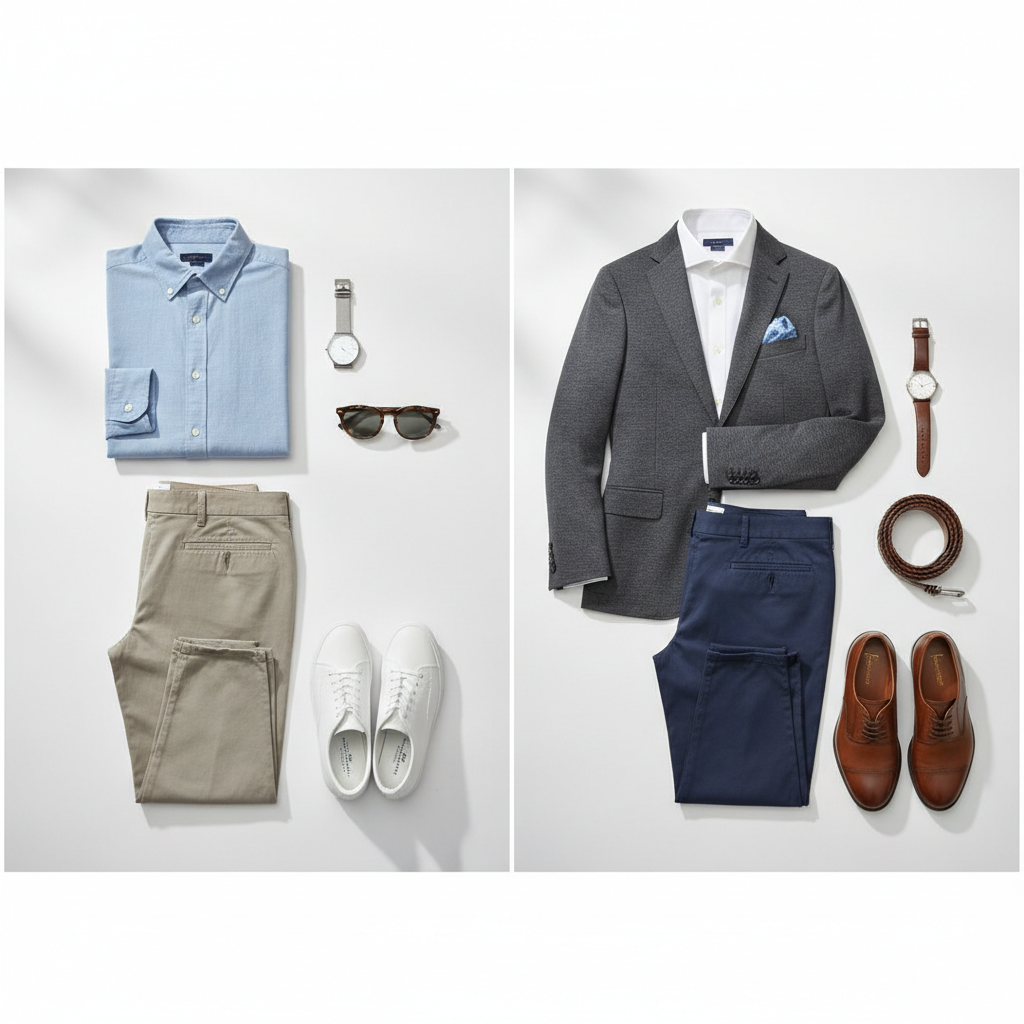
If you want a clean starting point for 2026, look for slim chinos labeled with a mid-rise, a structured twill, and a tapered leg that still leaves room to move. That combo tends to look sharp across body types, and it’s forgiving when your day involves actual sitting and walking.
FAQ
What’s the difference between slim chinos and slim jeans?
Chinos usually use a smoother cotton twill and cleaner pocket styling, so they read more polished. Slim jeans often have heavier denim and more casual detailing, even when the leg is similar.
How should slim fit chinos break over shoes?
Most guys do well with a slight or no break for a modern look. If you mainly wear boots, a tiny bit more length can sit better, but avoid stacking because it can make a slim leg look messy.
Do slim chinos work for muscular thighs?
They can, but you’ll want a “athletic slim” style or a slim with more room in the thigh and a strong taper. If the thigh is tight, sizing up and tailoring the waist is often a better move than forcing your usual size.
Are stretch chinos less durable?
Not always, but higher stretch blends can show wear sooner in friction zones like inner thighs. If durability is a priority, look for more structured fabric and keep stretch moderate.
What colors are most versatile for slim chinos?
Navy, khaki, and olive cover a lot of outfits without feeling repetitive. If you dress up more, charcoal can look especially clean in a slim silhouette.
Why do my chino pockets flare out?
Usually the hip area is too tight, or the pocket bags are thick relative to the fabric. Try a slightly roomier hip, a different rise, or a more structured cloth that lies flatter.
How do I find the right inseam when buying online?
Measure a pair you already like laid flat, then compare to the brand’s sizing chart. If you’re between lengths, ordering the longer inseam and hemming is often safer than hoping a short inseam “stretches.”
If you’re shopping online and want a more dependable shortcut, build a small “fit baseline” from one pair you already like, then match rise, thigh room, and hem opening across new options, it’s a calmer way to land on a slim chino that looks sharp and still feels like you can live in it.