
College campus fashion gets tricky when you need outfits that feel like “you,” handle long days, and still look good in photos you didn’t plan for.
The good news is you don’t need a huge wardrobe or expensive trends, you need a small set of repeatable outfit formulas that fit your schedule, weather, and campus vibe. Once you have those, getting dressed stops being a daily decision marathon.
This guide breaks down why campus outfits often miss the mark, how to figure out what’s actually practical for your life, and easy outfit ideas you can rotate for class, labs, internships, parties, and everything in between.
Why campus outfits feel harder than they should
Most style advice online assumes you’re dressing for a single moment. Campus life is the opposite: you’re dressing for a whole day that changes mood and temperature every few hours.
- Comfort vs. polish conflict: You want soft, easy pieces, but you also want to look intentional.
- Unpredictable environments: lecture halls run cold, sidewalks run hot, rain shows up uninvited.
- Schedule whiplash: class to work shift to club meeting, with maybe 6 minutes to change.
- Budget pressure: you can’t (and shouldn’t) buy a new look for every event.
One more thing: trends move fast, but college campus fashion rewards consistency. When your basics fit well and your shoes make sense, you look “styled” even with simple pieces.
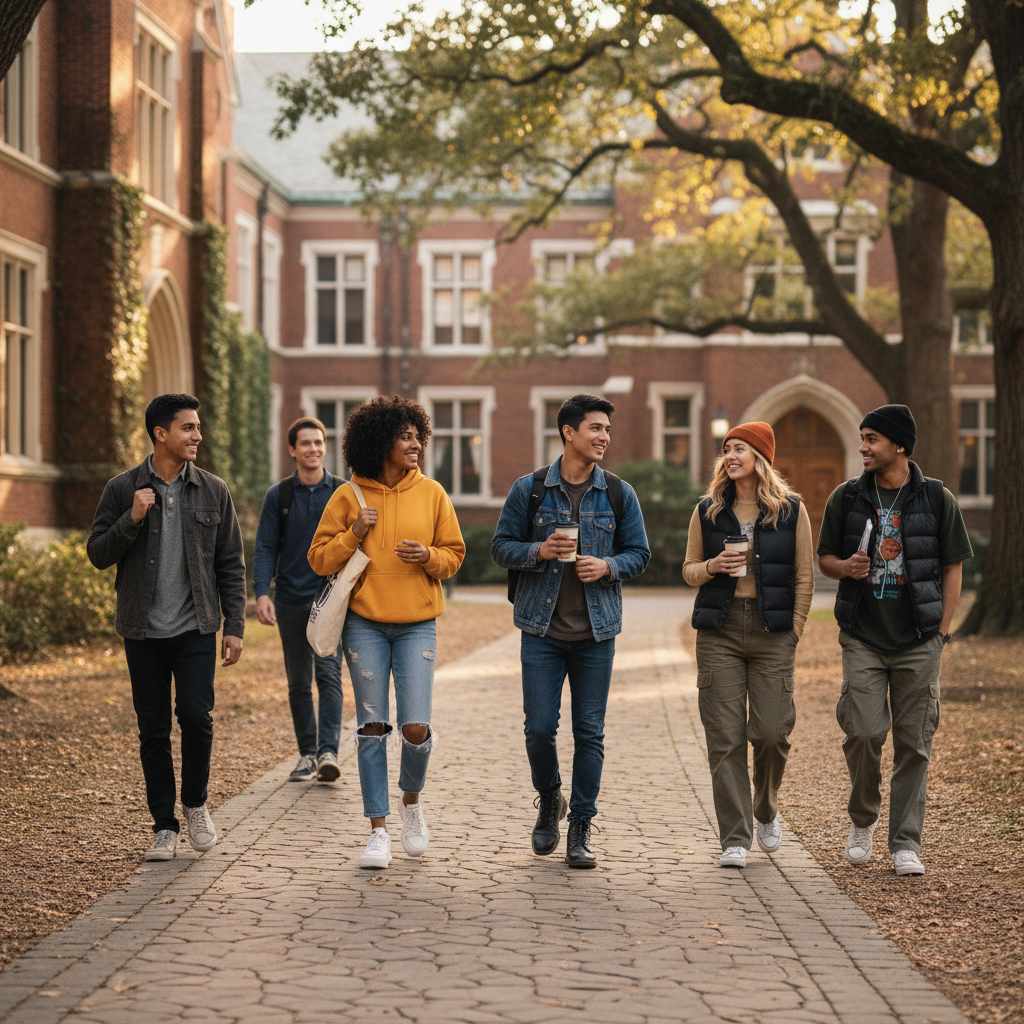
Quick self-check: what kind of campus dresser are you?
If you buy outfit pieces that don’t match your real week, you’ll feel like you have “nothing to wear” even with a full closet. Try this quick checklist and be honest.
- Walking campus a lot: you need footwear-first outfits, not “cute but painful” shoes.
- Lab/studio days: you need sleeves that move, hair-friendly necklines, and fabrics that wash easily.
- Internship or presentations: you need at least one business-casual formula on standby.
- Greek life/going out: you need one “night” look that layers over day basics.
- Always cold indoors: you need light layers, not bulky coats you can’t carry.
Key point: build around your most frequent day type, then add 1–2 outfits for the occasional stuff. That approach usually makes college campus fashion feel easier within a week.
A small “campus capsule” that covers most situations
You don’t need a strict capsule wardrobe, but you do need a core set of pieces that play nicely together. Think of it as your outfit Lego box.
According to Consumer Reports, checking care labels and fabric details helps clothing last longer and look better over time, which matters when you’re doing frequent laundry and repeating outfits.
Core pieces that pull the most weight
- 2 bottoms you actually wear: straight-leg jeans + tailored trousers, or cargo pants + dark jeans
- 2–3 tops: a fitted tee, a relaxed tee, and one elevated knit or button-down
- 1 layer: hoodie, cardigan, or denim jacket depending on climate
- 1 “sharper” outer layer: blazer, structured jacket, or clean trench
- 2 shoes: comfortable sneakers + a nicer shoe (loafers, boots, or clean platform sneaker)
- 1 bag: backpack or tote that fits your laptop and doesn’t wreck your shoulders
Outfit formula table (save this)
| Situation | Outfit Formula | Why it works |
|---|---|---|
| Everyday class | Relaxed tee + straight jeans + sneakers + light layer | Comfortable, repeatable, still looks intentional |
| Cold lecture halls | Tank/tee + cardigan/zip hoodie + trousers + socks-forward sneakers | Easy temperature control without bulky coats |
| Lab or studio | Long-sleeve tee + utility pants + closed-toe shoes | Movement-friendly and practical |
| Presentation day | Knit top + tailored trousers + blazer + loafers | Reads polished on a budget |
| Game day | Team tee + denim + jacket + sneakers | School spirit without costume energy |
| Going out | Simple top + darker bottom + statement jacket + nicer shoe | Fast switch from day to night |
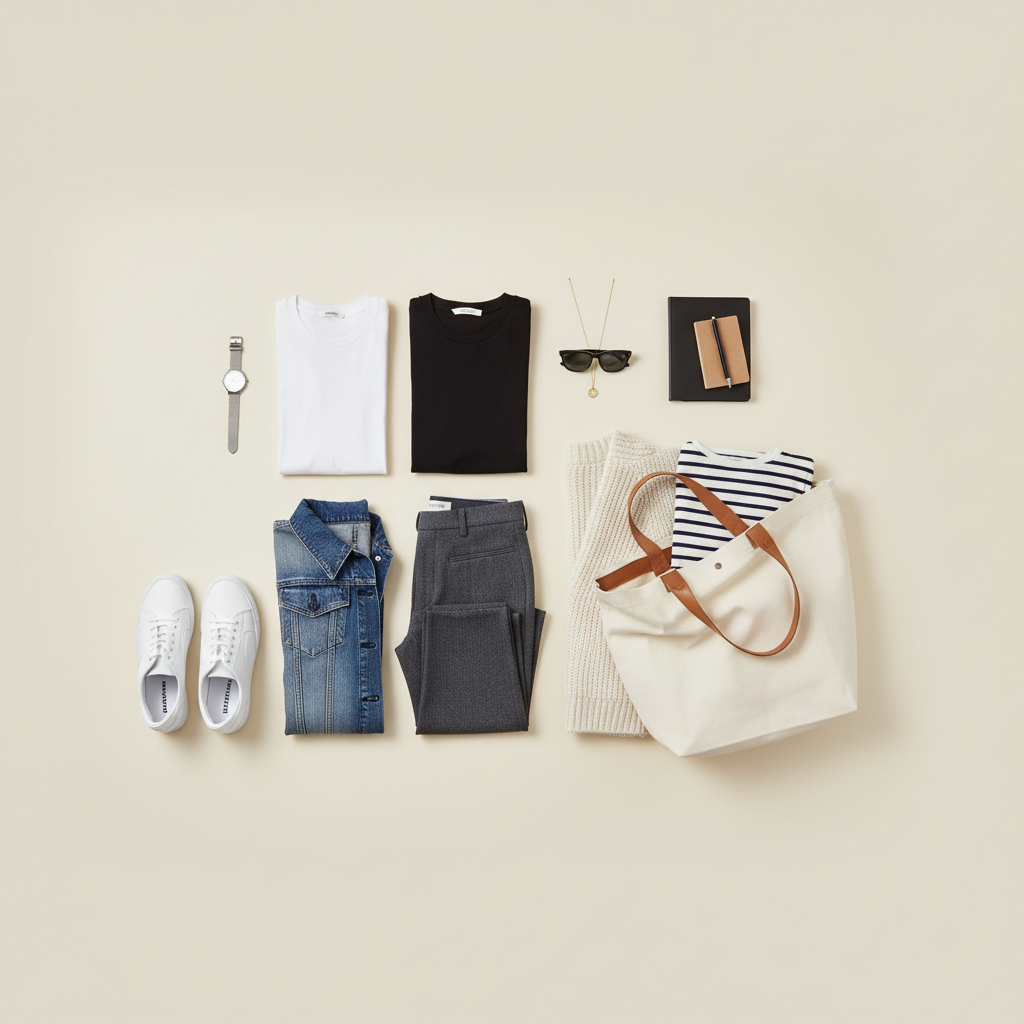
College campus fashion outfit ideas you can rotate all semester
Below are outfit ideas that work because they’re built from repeatable shapes, not one-time “looks.” Swap colors and fabrics based on your vibe.
1) The “I have class in 10 minutes” uniform
- Oversized sweatshirt or hoodie
- Bike shorts or straight-leg jeans
- Retro sneakers
- High socks + simple earrings
If you worry it looks too casual, switch to a structured hoodie or add a denim jacket, small details make this look intentional fast.
2) Polished casual that still feels like you
- Fitted tee or bodysuit
- Wide-leg trousers or dark denim
- Clean sneaker or loafer
- Baseball cap or minimal necklace
This one is a staple in college campus fashion because it works for office hours, casual meetings, and coffee runs without feeling dressed up.
3) Weather-proof layers (rain or wind days)
- Light tee + zip layer
- Water-resistant jacket or trench
- Quick-dry pants (nylon cargos, darker denim)
- Grip sneakers or boots
Packable layers matter more than aesthetics here, if you’re drenched and freezing, you won’t care how trendy your outfit looked at 9 a.m.
4) Campus-athleisure that doesn’t look like gym-only
- Matching set (leggings + top) or black leggings + fitted long-sleeve
- Long coat, bomber, or flannel overshirt
- Neutral sneakers
Keep one item structured, like the jacket, and suddenly the outfit reads “styled,” not “rolled out of bed.”
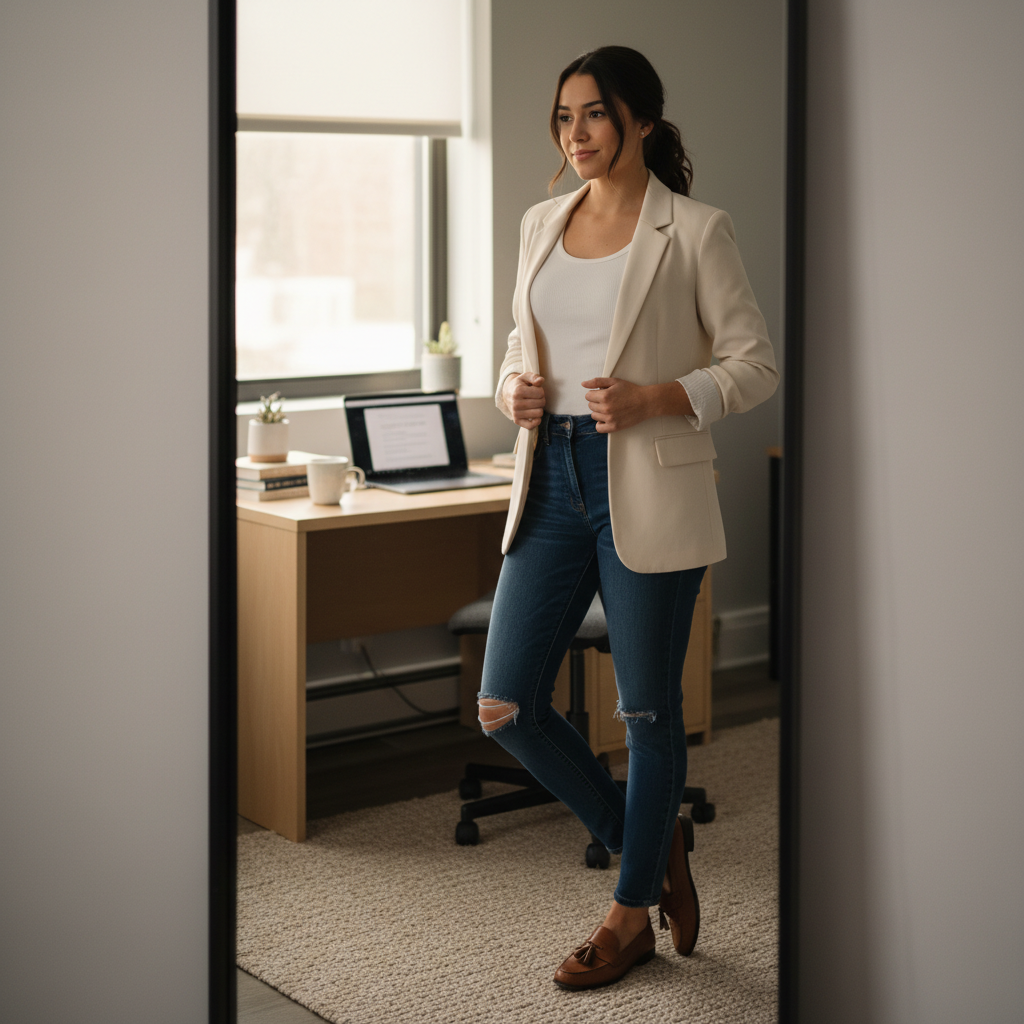
5) Presentation/interview-ready, without feeling stiff
- Ribbed knit or crisp tee
- Tailored trousers or midi skirt
- Blazer or structured jacket
- Loafers, ankle boots, or low heels you can walk in
According to National Association of Colleges and Employers (NACE), professional appearance expectations vary by industry, so it helps to check your field norms before you buy “corporate” items you’ll never use.
Practical styling moves that make outfits look more expensive
People often assume you need better clothes. Usually you need better finishing.
- Fit check in motion: sit, walk, lift your arms, if you keep adjusting, it won’t feel good all day.
- Color rule that saves time: pick a base palette (black, denim, gray, cream) and one accent color.
- Shoe strategy: if you walk a lot, choose one “good enough for 15,000 steps” sneaker and protect it.
- One focal point: statement jacket, bag, or jewelry, not all three at once.
- Grooming counts: tidy hair, clean shoes, and lint-free knits can carry a simple outfit.
Quick key takeaway: when you feel underdressed, add structure. When you feel overdressed, swap footwear and soften the top.
Real-world shopping plan: what to buy first (and what to skip)
If you’re rebuilding your closet, you’ll move faster by buying for your actual week, not an ideal version of it. Here’s a practical order.
Buy first (highest wear rate)
- Comfortable everyday shoes you can walk across campus in
- Bottoms that fit now and work with multiple tops
- A layer for indoor cold that looks clean (cardigan, zip jacket, overshirt)
- A bag with support that fits your laptop and water bottle
Skip for now (often low wear)
- Ultra-trendy pieces that only match one outfit
- “Special occasion” shoes you can’t walk in
- Complicated whites or dry-clean-only items if you do shared laundry
- Anything you can’t picture wearing twice in two weeks
This is where college campus fashion becomes less about aesthetics and more about repeatability, you want outfits you’ll reach for on a rough morning.
Common mistakes that quietly ruin campus outfits
- Over-layering without a plan: three bulky pieces feel cozy, but you’ll end up carrying half of it.
- Ignoring fabric care: if it pills, wrinkles badly, or stretches out, it looks “old” fast.
- Forgetting the day’s constraints: lab rules, campus job dress code, weather, lots of stairs.
- Buying “a vibe” instead of a system: one cool piece won’t save a closet with no basics.
If you’re working with a strict budget, this is also why thrifting can go wrong: the piece is cute, but it doesn’t integrate with what you already wear.
When to get extra help (without making it a big deal)
If getting dressed triggers real stress, perfectionism, or body-image spirals, it may help to talk with a trusted counselor or health professional. Style should support your day, not run it.
On the practical side, if you have foot pain, knee pain, or back discomfort from walking campus, a clinician or footwear specialist can help you choose supportive shoes or inserts that fit your body and gait. Comfort choices can be personal, so getting individualized advice is often worth it.
Conclusion: a campus wardrobe should make life easier
You don’t need a brand-new identity to dress well at school, you need a few reliable formulas, a small core wardrobe, and shoes that match how much you walk. Once you build that base, you can add trend pieces when you actually want them, not because you feel behind.
If you want a simple next step, pick two outfit formulas from the table, build them with what you already own, then fill only the missing gaps, that alone usually upgrades your week of college campus fashion more than a random shopping haul.
FAQ
- What should I wear to class to look put-together but not overdressed?
Try a fitted or clean tee with straight-leg jeans or trousers and a simple layer like a cardigan. The “put-together” part usually comes from fit and clean shoes, not fancy items. - How do I make leggings look like a real outfit on campus?
Keep leggings, then add one structured piece: an overshirt, denim jacket, or long coat. Stick to neutral sneakers and avoid overly busy prints if you want a more elevated look. - How many outfits do I actually need for college?
Many students can rotate 8–12 mix-and-match outfits comfortably, depending on laundry access and weather. The goal is enough variety to cover class, one polished option, and one going-out option. - What are good college outfits for hot weather?
Go for breathable fabrics, looser silhouettes, and comfortable sandals or sneakers. A light button-down worn open over a tank works well when buildings blast AC. - What do I wear on rainy campus days?
Choose water-resistant outerwear, quick-dry pants, and shoes with grip. Keep a spare pair of socks in your bag if your campus involves lots of walking. - How do I dress for an internship when I only own casual clothes?
Start with one pair of tailored trousers and a blazer or structured jacket, then wear a simple knit or tee underneath. This combo reads professional in many settings, though expectations vary by industry. - Is it okay to repeat outfits in college?
Yes, and most people do. Repeating a formula with different tops or accessories is normal, and it often looks more consistent than constantly switching styles.
If you’re trying to tighten up your wardrobe without buying a ton, start by listing your three most common day types, then build one repeatable outfit for each. If you want a more plug-and-play approach, a simple capsule checklist and a few solid basics can save time, money, and a lot of morning second-guessing.