
women utility shirt dress cargo is one of those pieces people love in theory, then hesitate on in real life because it can read “too boxy,” “too tactical,” or just hard to style.
If you want one dress that can handle errands, office-casual days, and travel without feeling precious, this category is worth your attention. The right utility shirt dress gives you structure, pockets, and that pulled-together look, even when you keep everything else simple.
Where shoppers usually get stuck is not “Is it cute?” It’s fit and proportion: pocket placement, shoulder line, belt position, and fabric weight can make the same silhouette look sharp on one person and bulky on another. This guide breaks down what to check, how to style it by scenario, and what to avoid so you don’t end up with a dress that lives in the back of your closet.
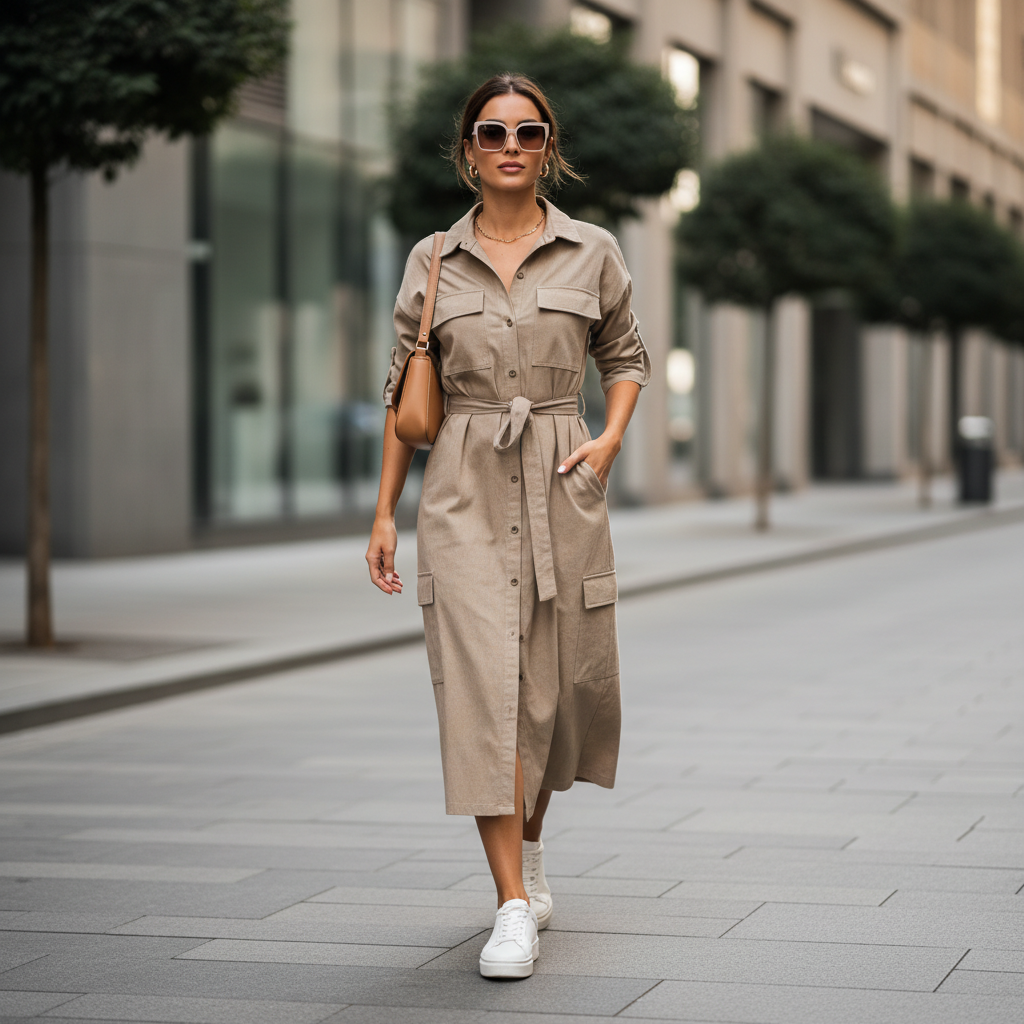
What “cargo utility shirt dress” really means (and why it matters)
Retailers use these terms loosely, so it helps to know what you’re actually shopping for.
- Shirt dress base: a collar, button front (full or partial), and a straighter, shirt-inspired frame.
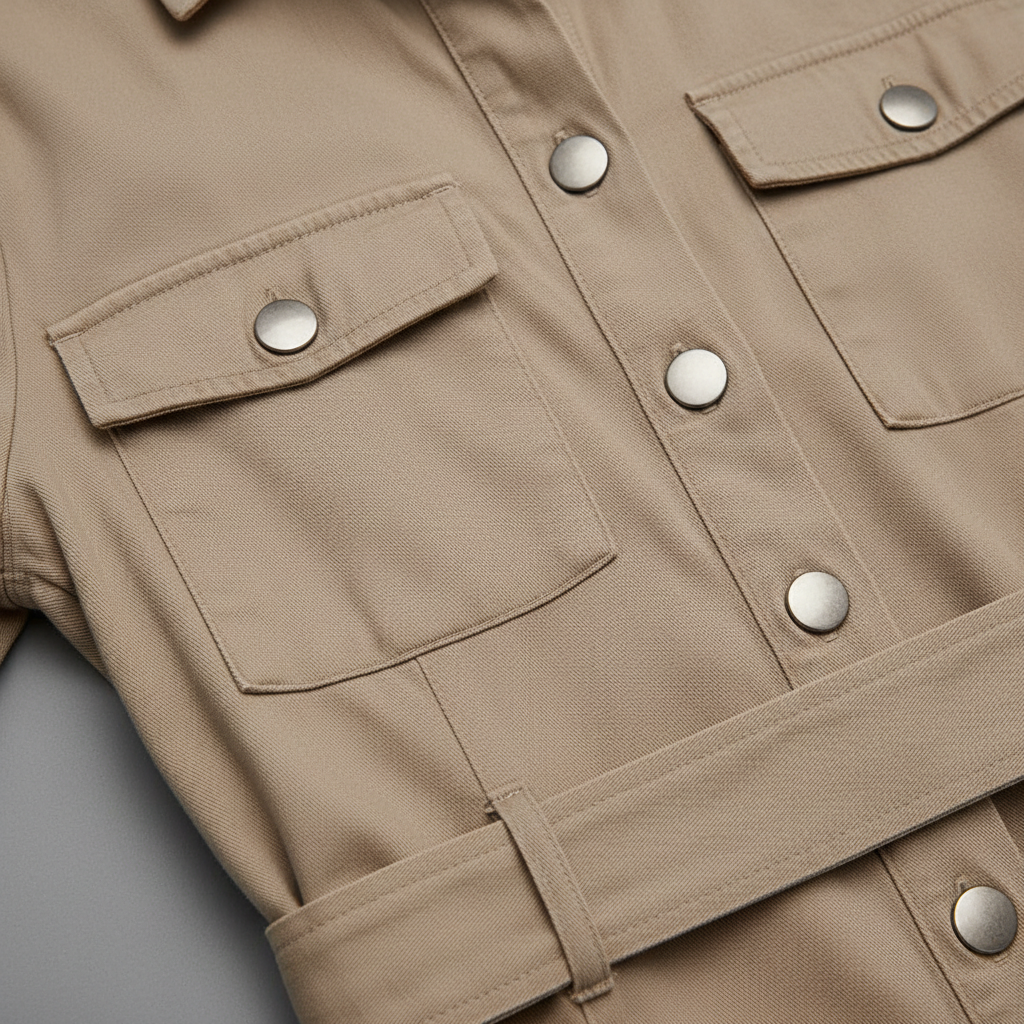
- Utility features: chest pockets, epaulets, contrast stitching, snap buttons, or a belt meant to shape the waist.
- Cargo details: larger patch pockets, sometimes with flaps, often placed on the skirt or hips.
Why this matters: cargo pockets add visual volume. If you love the vibe but want a cleaner look, choose smaller pockets or pockets set slightly forward. If you want the full utilitarian statement, go for structured fabric and bolder hardware so it feels intentional, not accidental.
Why it can look bulky: the real-world fit factors
A women utility shirt dress cargo can feel “off” for predictable reasons, most of them fixable once you know what to look for.
- Shoulder seam sits too low: gives a slouchy shape that fights the crisp shirt-dress idea.
- Pockets hit the widest point: hip cargo pockets placed too high can widen the silhouette.
- Fabric too thin: flimsy fabric makes pockets droop and wrinkle, so the dress reads messy.
- Length + pocket combo: midi with oversized pockets can feel heavy; a slightly shorter hem often balances it.
- Wrong belt width: skinny belts can look like an afterthought, wider belts usually match the utility language better.
According to CFDA, utility-inspired dressing cycles in and out as a response to lifestyle shifts, and that’s a polite way of saying practicality keeps winning. If your daily life needs pockets and flexibility, this style works when the structure is right.
Quick self-check: choose the right version for your body and lifestyle
Use this as a fast filter before you fall for the photos.
If you want a sharper, more “polished” look
- Look for cotton poplin, twill, or a structured blend that holds a line.
- Prefer smaller chest pockets and fewer flaps.
- Choose hidden placket or tonal buttons for a cleaner front.
If you want a relaxed weekend dress
- Soft chambray, Tencel, or washed cotton can feel easy, but check pocket sag.
- Short sleeves or roll-tab sleeves usually look less “uniform.”
- Elastic back waist or tie belt helps comfort if you sit a lot.
If you travel a lot or walk all day
- Prioritize movement: side slits, back pleat, or a bit of stretch.
- Pick pockets that close (snap/zip/Velcro) if you hate losing small items.
- Mid-thigh to midi can work, but test steps and stairs in the mirror.
Key features to compare (with a simple table)
Not every detail matters equally, so here’s a practical way to compare options quickly.
| Feature | What to look for | Why it matters |
|---|---|---|
| Fabric weight | Medium weight, holds shape | Pockets stay crisp, less wrinkling |
| Pocket placement | Set slightly forward or lower | Less widening at the hips |
| Waist option | Removable belt, adjustable tabs | Lets you change silhouette by outfit |
| Front closure | Buttons/snaps with no gaping | Comfort and clean lines across the chest |
| Length | Mini to midi based on shoes | Controls how “heavy” the look feels |
One small but real tip: if you’re between sizes, check reviews for button gaping. Shirt dresses often behave like shirts, and the wrong size shows immediately at the bust line.
How to style it: outfits that feel current, not costume-y
The easiest way to style a women utility shirt dress cargo is to pick one “supporting” vibe and keep everything else quiet. You’re letting the dress do the talking.
For work (smart casual)
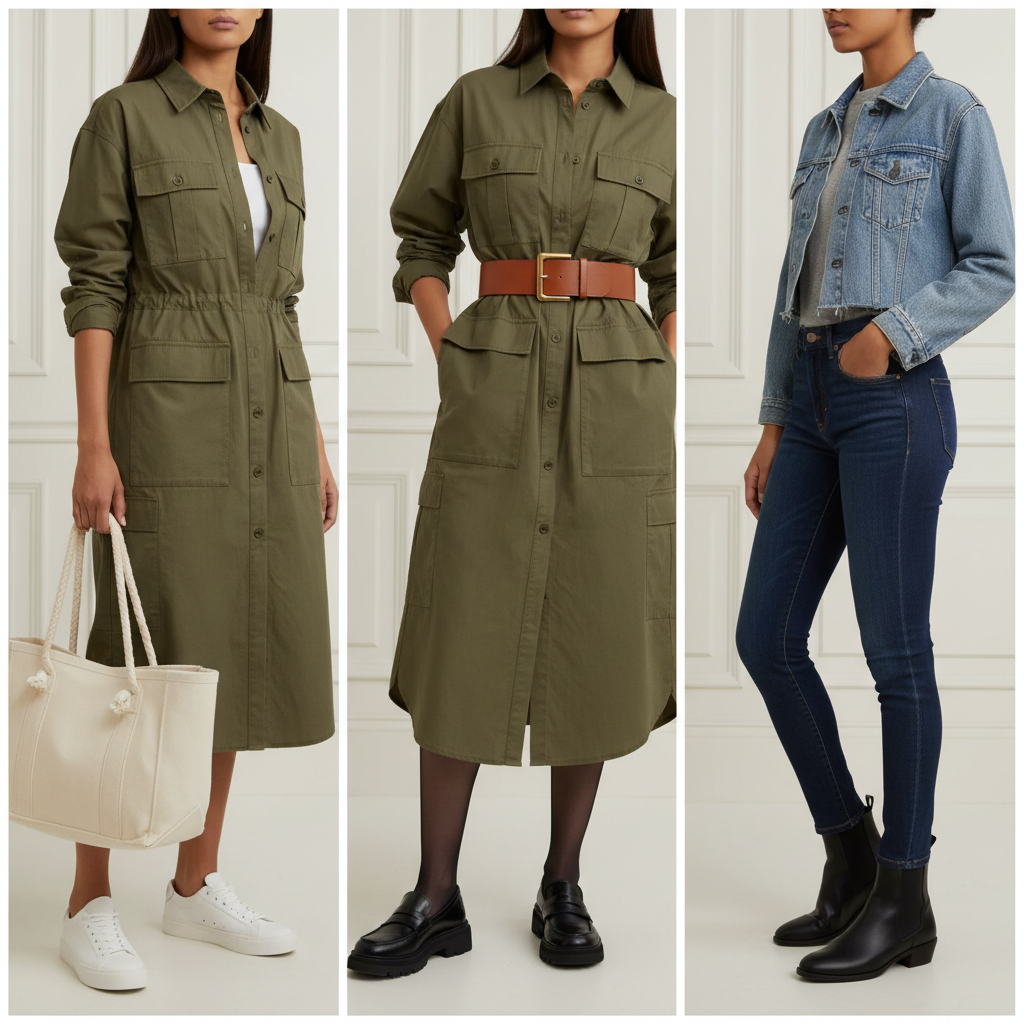
- Add a sleek belt (medium width) and low-profile loafers or block heels.
- Layer a fitted blazer or a cropped jacket to keep the waist defined.
- Choose minimal jewelry, the hardware on the dress is already a detail.
For weekends
- White sneakers + a canvas tote keeps it relaxed.
- Swap the included tie for a web belt if you want more utility energy.
- Wear it open as a light layer over a tank and shorts if fabric feels breathable.
For travel and long days
- Flat sandals or cushioned sneakers, then a crossbody bag that sits high.
- Roll sleeves, unbutton the collar, and keep a light cardigan in your bag.
- If chafing is a concern, bike shorts underneath can help, and comfort matters more than “perfect lines.”
Practical buying tips: make sure it works once you own it
Here are the checks that save you from “looks good online, feels weird at home.”
- Sit test: buttons should not pull, and the skirt should not ride uncomfortably.
- Arm lift test: raise your arms, the dress should not tug harshly across the back.
- Pocket reality check: put your phone in the cargo pocket, see if it drags the dress down.
- Shoe pairing: try at least two shoe styles, one casual and one polished, so the dress earns its closet space.
According to FTC, apparel care labeling is meant to help you maintain garments safely. Before buying, glance at care instructions if you already know you won’t dry-clean or iron, because utility fabrics vary a lot.
Common mistakes (and easy fixes)
Most styling “fails” here come from tiny mismatches, not from the dress being wrong for you.
- Mistake: over-accessorizing. Fix: pick one hero item, like a belt or boots, then keep the rest minimal.
- Mistake: too-long hem with heavy pockets. Fix: try a slight hem, or wear with a heel to add vertical line.
- Mistake: oversized + oversized layering. Fix: if the dress runs roomy, layer with a fitted jacket or a slimmer cardigan.
- Mistake: ignoring underwear lines. Fix: smooth basics help the dress look intentional, especially in lighter colors.
When it’s worth tailoring or asking a pro
If you love the fabric and pocket design but the fit feels “almost,” tailoring is often the difference between wearing it weekly and never reaching for it.
- Worth tailoring: shortening sleeves, taking in the waist slightly, adjusting hem length.
- Be cautious: moving cargo pockets is usually expensive and can leave marks.
- Ask for help: if button gaping is persistent, a tailor can add hidden snaps; for comfort concerns or skin sensitivity, a stylist or tailor may suggest lining or fabric-friendly alterations.
Tailoring advice varies by garment construction, so bringing the dress in for a quick consult usually saves time and frustration.
Conclusion: make the utility vibe work for you
A women utility shirt dress cargo works best when you treat it like a structured staple, not a trend costume. Get the shoulders right, watch pocket placement, and choose a fabric that holds its shape, then styling becomes almost automatic.
Action step 1: shortlist two versions, one more polished and one more relaxed, and do the sit-and-pocket test at home.
Action step 2: build one “default uniform” outfit around it, shoes plus bag plus belt, so you can grab it on busy mornings.
FAQ
What shoes look best with a women utility shirt dress cargo?
White sneakers and loafers are the easiest starting points. If the dress has heavier pockets or hardware, chunkier shoes often balance it better than delicate sandals.
How do I keep a cargo shirt dress from looking boxy?
Use waist definition in a way that matches the dress, usually a medium-width belt or built-in waist tabs. A cropped jacket also helps, because it creates shape without fighting the utility lines.
Is a cargo utility shirt dress appropriate for the office?
In many business-casual workplaces, yes, especially in solid colors with minimal hardware. If your office leans formal, choose a cleaner shirt-dress version with subtler pockets and pair it with structured accessories.
What fabric should I avoid if I hate wrinkles?
Very thin cotton can wrinkle fast and make pockets look droopy. A slightly heavier poplin, twill, or blended fabric typically behaves better, though care labels vary by brand.
Can petites wear a cargo utility shirt dress without being overwhelmed?
Usually, yes, but pocket size and hem length matter more. Smaller pockets and a hem that hits above mid-calf often keep proportions lighter, and tailoring the sleeve can make the whole dress look intentional.
How many pockets are too many?
If you find yourself adjusting the dress because the pockets pull or add bulk where you dislike volume, that’s the sign. Function is great, but the dress still needs to hang cleanly when pockets are empty.
Should I size up to get the relaxed utility look?
Not automatically. Many utility shirt dresses are already cut roomy; sizing up can drop the shoulders and make the waist hard to define. If you want relaxed, look for the right cut instead of extra size.
If you’re deciding between a couple options and want a more “no-regrets” pick, focus on shoulder fit, pocket placement, and fabric weight, then build a quick try-on checklist around your real week, not a fantasy weekend.