
How to make perfume last longer skin usually comes down to three things you can control: moisture, placement, and how you apply it. If your fragrance seems to vanish in an hour, it’s often not “bad perfume”, it’s timing, skin condition, or habits that quietly undo performance.
This matters because overspraying rarely fixes the real issue, it just creates a strong opening that can feel overwhelming to you and everyone around you. The goal is a steady, comfortable scent trail that lasts through work, errands, or dinner plans.
I’ll walk you through why fragrance fades fast, a quick self-check to identify your biggest bottleneck, and practical routines that fit real life, including what to do if you have sensitive skin or live in a hot, dry climate.
Why perfume fades fast on skin (the real-world reasons)
Fragrance longevity is chemistry plus environment, and your skin is part of the “diffuser.” Many people blame the bottle, but these are the usual culprits.
- Dry skin: Less surface oil means fewer “anchors” for aromatic molecules, so scent evaporates faster.
- Heat and sweat: Warmth boosts diffusion, which can make a fragrance feel strong early, then disappear sooner.
- Friction: Rubbing wrists or letting clothes constantly brush the area breaks down top notes and shortens wear.
- Application timing: Spraying on dry, just-cleaned skin without moisture often reduces staying power.
- Product style: Citrus, fresh aromatics, and many “skin scents” naturally wear lighter than ambers, woods, resins.
According to the International Fragrance Association (IFRA), fragrance ingredients are designed to evaporate at different rates, which is why top notes lift quickly while base notes linger. That built-in evaporation curve is normal, your routine decides how much you keep.
Quick self-check: what’s making your scent disappear?
If you want a fast answer, run through this list once, it saves you from random tweaks.
- Your skin feels tight after showering and you skip lotion most days.
- You spray and immediately get dressed, the fabric wipes the wet spray.
- You rub wrists together out of habit.
- You live in a hot/humid area or you run warm, and you apply on the hottest points.
- You mainly wear fresh EDTs and expect 10+ hours on bare skin.
If two or more fit you, you likely don’t need a new perfume, you need a better “landing zone” and a more deliberate placement plan.
Start with skin prep: hydration beats overspraying
When people ask how to make perfume last longer skin, skin prep is the least glamorous step, and the most reliable. You’re not trying to create a slippery layer, you’re giving the fragrance something stable to sit on.
What to do (simple routine)
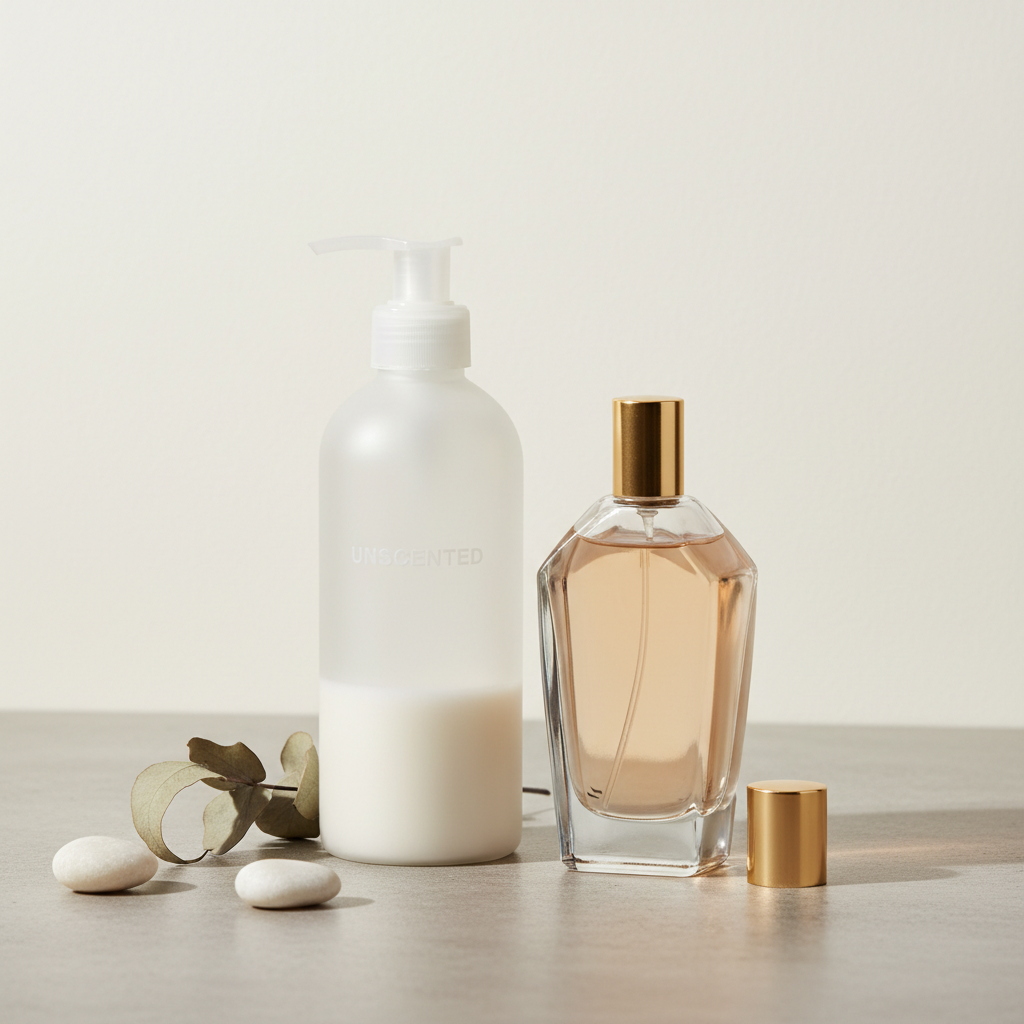
- After showering, pat skin until slightly damp, then apply an unscented moisturizer to pulse-point areas.
- If you’re very dry, add a thin layer of petrolatum-based ointment or balm on a small spot, then spray near it, not directly into a thick layer.
- Wait 2–5 minutes, then apply fragrance. This reduces “wet mixing” and helps projection feel cleaner.
According to the American Academy of Dermatology (AAD), moisturizing right after bathing helps reduce dryness by trapping water in the skin, and that extra hydration often helps fragrance wear more evenly. If you’re acne-prone on chest/back, keep occlusive products off those areas.
Where to spray: placement that lasts without shouting
Pulse points are popular because they radiate heat, but more heat can also mean faster burn-off. The trick is mixing warm and slightly cooler zones.
Try this placement map
- One warm point: side of neck or behind ears (good projection early).
- One cooler point: inner forearm or lower wrist area (slower evaporation).
- One “movement point”: back of shoulders or upper back under clothing (gentle scent bubble).
If you’re in a hot climate or you sweat easily, shift spray lower, think forearms, back of knees, or even the hem area of clothes, rather than the center of the neck.
How to apply: small technique changes that add hours
Most longevity problems come from application habits, not quantity. Clean technique keeps the scent structure intact.
- Don’t rub: let it air-dry. Rubbing can flatten top notes and make the fragrance feel “gone” sooner.
- Spray from 6–8 inches: closer spraying tends to soak one spot and evaporate unevenly.
- Use a light “walk-through” for hair/clothes, not your face, and avoid inhaling mist.
- Give it 10 minutes before judging. Some perfumes feel quiet until the heart notes bloom.
If your goal is truly long wear, a travel atomizer for a midday touch-up often works better than doubling sprays at 8 a.m.
Layering that actually works (and doesn’t smell messy)
Layering can help how to make perfume last longer skin, but only when the base products stay neutral. Mixing five scented products usually turns into “everything and nothing.”
Easy layering options
- Unscented wash + unscented lotion + perfume: cleanest way to extend wear.
- Matching body products (same line): often boosts longevity because the accord is consistent.
- Single-note base (vanilla, musk, sandalwood lotion): can support many perfumes, but patch test first.
According to the U.S. Food and Drug Administration (FDA), fragrance products can irritate sensitive skin for some people, especially when you stack multiple fragranced layers. If you notice redness or itching, dial it back and consider a dermatologist’s guidance.
Skin vs. fabric: what lasts longer and what’s safer
On many people, fabric holds scent longer than skin, but it comes with trade-offs: staining risk, and the scent can “lock” into fibers until laundry day.
| Where you apply | Longevity | Pros | Cons |
|---|---|---|---|
| Moisturized skin | Medium to long | Smells more natural, evolves nicely | Can fade faster on dry/hot skin |
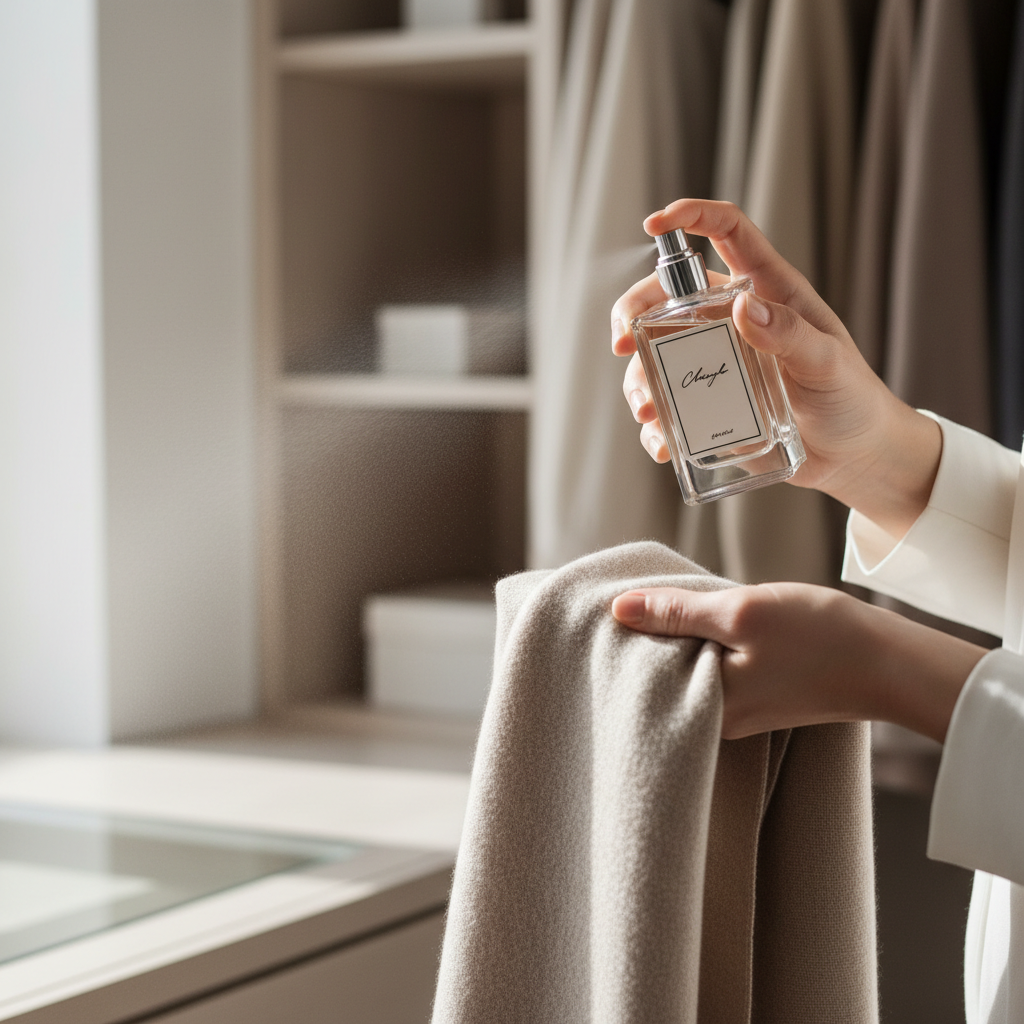
| Clothing (inside hem, scarf edge) | Long | Holds scent for hours, less body heat impact | May stain silk/light fabrics, can linger too long |
| Hair (light mist on brush) | Medium | Nice scent trail with movement | Alcohol can feel drying, avoid scalp irritation |
Practical rule: apply to skin for “your scent,” add one discreet fabric spray for “your trail,” and avoid delicate fabrics unless you’ve tested for staining.
Common mistakes that quietly shorten wear
These are small, but they add up, and they’re easy to fix once you notice them.
- Spraying right before you leave: you lose a lot to the air and to clothing contact, give it a few minutes.
- Only spraying wrists: constant handwashing and friction erase it.
- Storing perfume in heat/light: bathroom shelves look nice, but temperature swings can degrade scent over time.
- Chasing “nose blindness”: you may stop smelling it while others still can, ask someone you trust before you reapply.
According to the National Institutes of Health (NIH), olfactory adaptation is a normal sensory process, which is a fancy way of saying your brain tunes out constant smells. This is why you might think it vanished when it hasn’t.
Key takeaways and a realistic routine you can repeat
If you want the shortest path to better wear, stick to a routine you’ll actually do on weekdays, not a 10-step “fragrance ritual.”
- Moisturize first, ideally unscented, especially after showering.
- Mix placement: one warm point, one cooler point, one under-clothing point.
- Don’t rub, let it dry, then get dressed.
- Add fabric strategically if you want extra hours, test for staining.
- Reapply lightly if needed instead of overspraying in the morning.
Most people asking how to make perfume last longer skin see improvement within a few days just by moisturizing and changing where they spray, it’s a small shift with a big payoff.
FAQ
Why does perfume disappear so fast on my skin but not on others?
Skin dryness, body temperature, and daily habits like handwashing make a huge difference. Two people can wear the same fragrance, but the “diffuser” changes how fast it lifts off.
Does Vaseline make perfume last longer on skin?
It can help in many cases because it reduces evaporation, but it may feel heavy and can clog pores for some people. Try a tiny amount on a small area first, and avoid acne-prone zones.
Is it better to spray perfume on clothes or skin?
Clothes often hold scent longer, but skin gives a more natural evolution. A balanced approach works well: skin for the main wear, one small fabric spray for extra longevity.
How many sprays should I use for all-day wear?
It depends on concentration and setting, but more sprays aren’t always better. Many people do well with 2–4 total, plus a small midday refresh if needed.
What’s the best time to apply fragrance for longer lasting scent?
Right after moisturizing, when skin still has a bit of hydration, tends to work well. Applying on very dry skin is a common reason the scent fades quickly.
Can I spray perfume in my hair to make it last longer?
It may extend the scent trail, but alcohol can feel drying. A safer move is a light mist on a brush or using a hair mist designed for that purpose, especially if your scalp is sensitive.
Why can’t I smell my perfume after an hour?
You might be going nose-blind while others still notice it. Before reapplying, ask someone nearby or step outside for fresh air and check again.
If you’re experimenting with what makes your fragrance last, keep a simple two-week rotation of techniques, moisturize consistently, adjust placement by weather, and you’ll usually find a routine that feels “set and forget,” without turning perfume into a full-time project.