
men laptop sleeve waterproof is usually the phrase people type right after a commute surprise, a coffee spill, or that moment you realize your “water-resistant” bag isn’t actually helping. If you carry a work laptop daily, a sleeve is less about looks and more about reducing risk in the real places where accidents happen.
What makes this category confusing is the marketing. Brands mix terms like waterproof, water-resistant, and splashproof, and they often show beautiful product photos that never reveal the zipper line, seams, or how the sleeve behaves when it’s shoved into a backpack.
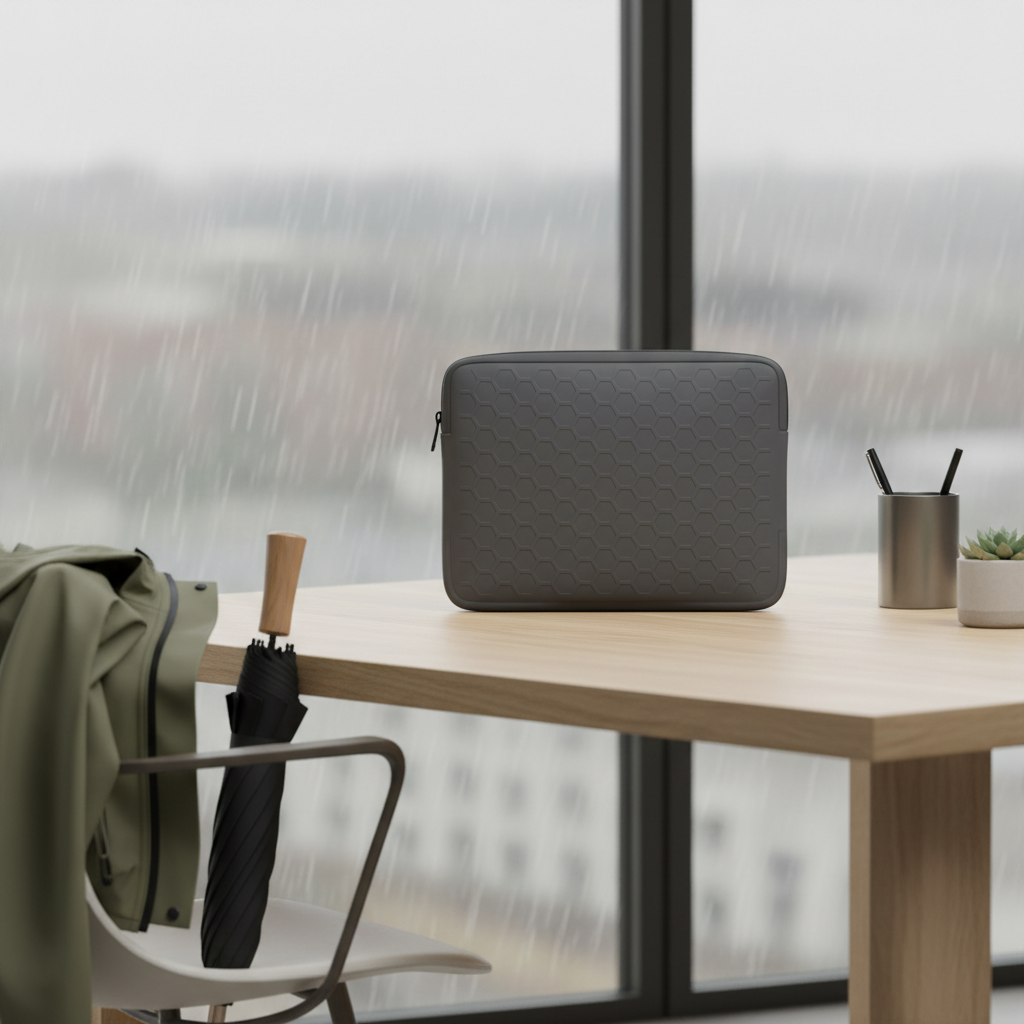
This guide breaks down what “waterproof” should mean for a work sleeve, how to tell if a sleeve fits your routine, and which details matter more than the brand name, especially if you commute, travel, or move between meetings all day.
What “Waterproof” Really Means for a Laptop Sleeve
In practice, a sleeve that handles work life needs to manage two situations, light exposure like rain and splashes, and brief contact like setting the sleeve on a wet counter. Full submersion is rare, but it’s the scenario many “waterproof” claims quietly imply.
According to FTC guidance on advertising, product claims should be truthful and not misleading, so it’s fair to look for clear language that matches what you actually need, not just a bold word on the listing.
- Water-resistant: slows water penetration, fine for drizzle and short exposure.
- Water-repellent coating: surface treatment that can wear off, still useful but not forever.
- Waterproof construction: materials plus seam/zipper design that blocks water more reliably.
If the sleeve uses a standard zipper with no protective flap and has stitched seams with no sealing, it may still be a good sleeve, but calling it waterproof is often optimistic.
Why Work Use Is Tough on Sleeves (It’s Not Just Rain)
Most damage doesn’t come from a dramatic storm, it’s the small, repeated stuff. Sleeves that look great on day one can fail at month three because commuting is abrasive, and office routines include liquids.
- Backpack friction: the sleeve rubs against rough interior fabric, corners take the hit.
- Desk spills: coffee, seltzer, condensation rings, even sanitizer drips.
- Weather transitions: walking from rain into heated offices creates condensation and moisture transfer.
- Travel checkpoints: quick pull-outs mean more drops, scrapes, and zipper stress.
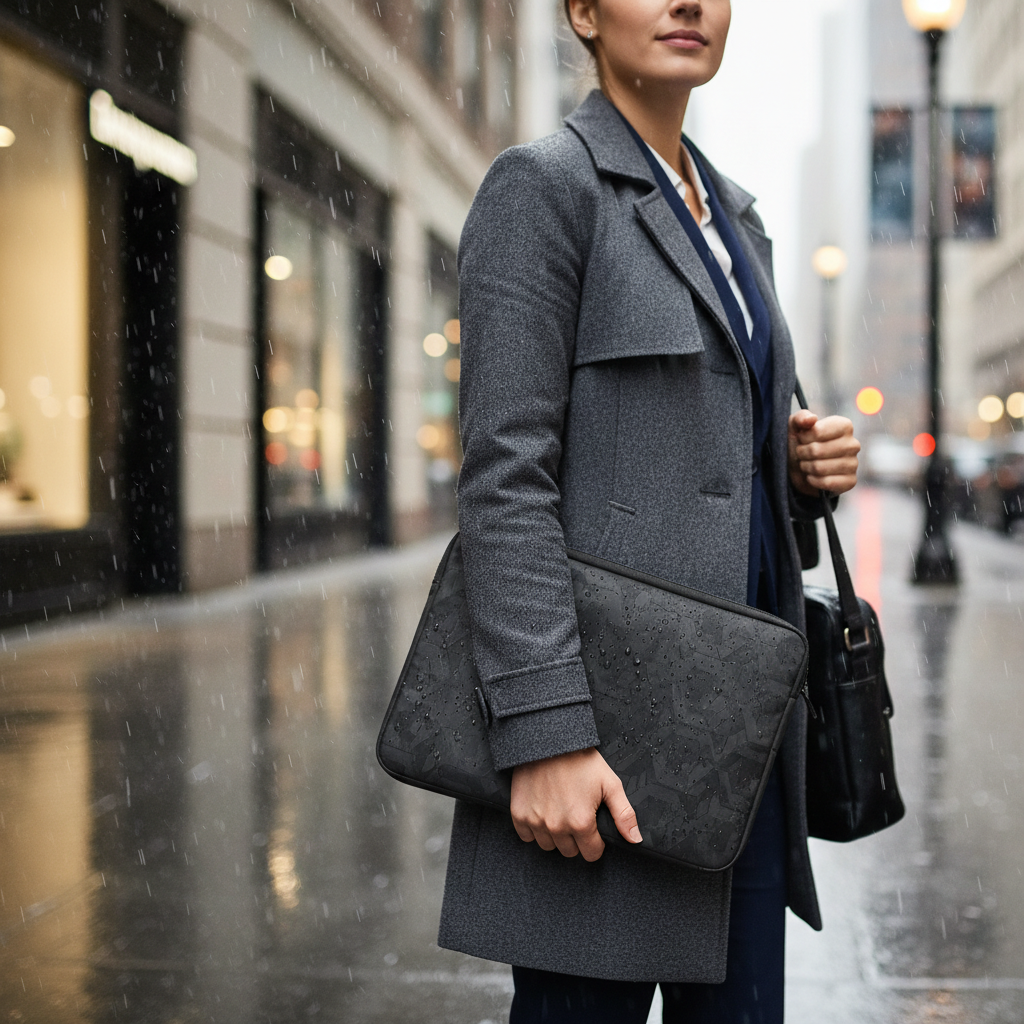
So when you shop for a men laptop sleeve waterproof model “for work,” you’re really shopping for durability plus smart water control, not just a water-beading surface.
Quick Self-Check: What Kind of Waterproofing Do You Need?
Before you compare materials, get honest about your routine. The best pick is the one that matches your actual exposure, not the most extreme spec.
- Mostly indoors, short car walk: water-resistant outer plus good zipper coverage is usually enough.
- Public transit commuter: prioritize sealed seams or an overlap flap, plus corner reinforcement.
- Bike or walk in all weather: look for true waterproof fabric and a zipper strategy that blocks water entry.
- Frequent flights: padding and abrasion resistance matter as much as water performance.
Also decide how you carry it, standalone under your arm, inside a backpack, or inside a briefcase. A slim sleeve can be “waterproof” but still lose out if it has weak padding and your bag gets bumped.
Materials and Build Details That Matter (More Than a Logo)
When people say men laptop sleeve waterproof, they often mean “won’t soak through fast.” Material choice strongly influences that, but construction details decide whether water finds a way in at the seams and zipper.
Outer materials to look for
- TPU-laminated fabric: common in waterproof bags, tends to block water well and wipes clean.
- Ballistic nylon with coating: durable against abrasion, often more “work bag” than “outdoor gear.”
- Neoprene: decent splash resistance and cushioning, but seams and zipper style matter a lot.
- Waxed canvas: can shed light rain, but performance varies and needs maintenance.
Construction details that separate “fine” from “reliable”
- Zipper protection: water tends to enter at the zipper line, a flap or coated zipper helps.
- Seam handling: taped seams improve water blocking, plain stitching is a common weak spot.
- Raised edges and corner bumpers: corner impacts are the usual drop damage point.
- Inner lining: soft microfiber reduces scratches, but avoid fuzzy linings that trap moisture.
According to Apple guidance on device care, liquids can damage electronics and you should avoid exposure where possible, so a sleeve is a risk reducer, not a permission slip to be casual around water.
At-a-Glance Comparison Table (What to Choose for Work)
This isn’t about one “best” sleeve, it’s about matching trade-offs. Here’s a practical way to compare typical options you’ll see online.
| Type | Water Protection | Everyday Durability | Bulk | Best For |
|---|---|---|---|---|
| Coated nylon sleeve | Medium to high (depends on seams/zipper) | High | Low | Office + commute, backpack carry |
| Neoprene sleeve | Medium | Medium | Medium | Light rain, simple protection, short trips |
| TPU-laminated waterproof sleeve | High | Medium to high | Medium | Walking/biking commuters, frequent rain |
| Hard-shell case with gasket/zip | High (varies by design) | High | High | Travel, gear-heavy workdays, maximum impact protection |
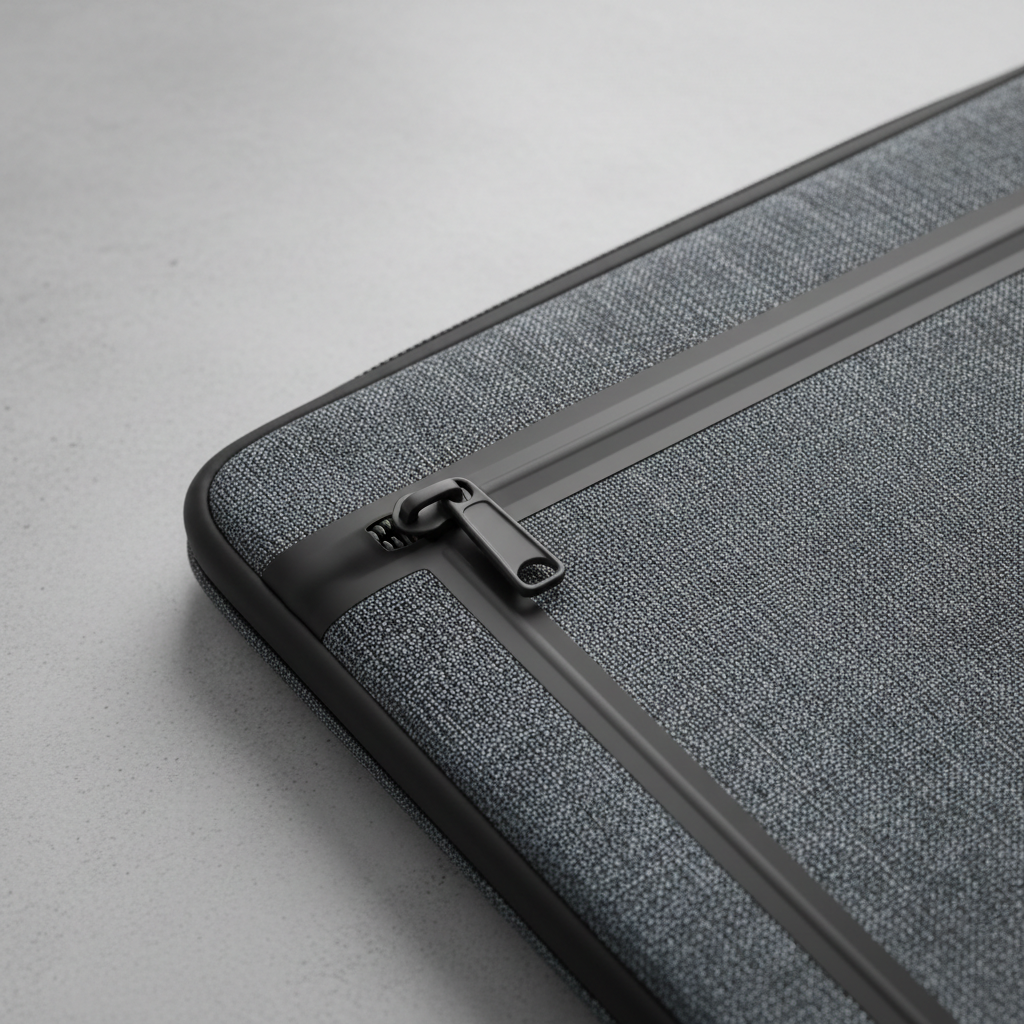
If your day includes unpredictable weather, don’t over-index on “thin and sleek.” A slightly sturdier build often pays off, especially around the zipper and corners.
Practical Buying Checklist (Use This on Any Product Page)
When you’re scanning listings, it helps to be a little skeptical. Product pages rarely say “this leaks at the zipper,” so you need to infer from design cues and clear specs.
- Fit: match your laptop size and thickness, especially if you use a snap-on shell or a thicker model.
- Closure: zipper quality and zipper coverage matter more than an extra pocket.
- Padding: look for edge and corner padding, not just a thick front panel.
- Grip: a subtle texture or side handle helps when you carry the sleeve into meetings.
- Inside pocket caution: storing cables next to the laptop can create pressure points on screens.
Key takeaway: a men laptop sleeve waterproof claim is only as good as the weakest entry point, which is usually the zipper, then the seams, then wear spots at corners.
How to Use a Waterproof Sleeve at Work (So It Actually Helps)
Even a well-built sleeve can fail in real life if you use it in a way that traps moisture or increases pressure on the laptop.
- Dry before you stow: if the outside is wet, quick-wipe it before sliding into a backpack, trapped moisture can migrate.
- Keep liquids separated: avoid putting the sleeve in the same compartment as a bottle without a cap lock.
- Don’t overload pockets: pens, chargers, and dongles can press into the laptop lid.
- Air it out: if you get caught in heavy rain, open the sleeve at home so any humidity can escape.
For many office setups, the sleeve works best as a second layer inside a backpack or briefcase, because the bag takes the abrasion and the sleeve handles the close-to-device protection.
Common Mistakes to Avoid (They’re Easy to Miss)
A few buying and usage mistakes show up again and again, usually because people assume “waterproof” covers every scenario.
- Confusing coating with construction: a coated fabric still leaks if seams and zipper are exposed.
- Ignoring zipper direction: if the zipper opens upward and sits on top, rain hits the seam line directly.
- Skipping fit checks: too-tight sleeves stress zippers and seams, which reduces water performance over time.
- Thinking a sleeve replaces backups: protection helps, but it doesn’t eliminate the risk of device failure.
According to NIST cybersecurity guidance, protecting information includes maintaining reliable access and recovery practices, so keeping backups and using encryption can still matter even if your hardware is well protected.
Conclusion: Picking the Right Work Sleeve Without Overthinking It
Buying a men laptop sleeve waterproof option for work comes down to one clear decision, how much real water exposure you face, then choosing a sleeve with the right zipper and seam strategy, plus enough corner protection for daily bumps.
If you do one thing today, use the checklist on your top three choices and prioritize zipper coverage over cosmetic extras. If you do two things, add a quick “wet day routine” so moisture doesn’t follow your laptop into your bag.
FAQ
What’s the difference between waterproof and water-resistant for a laptop sleeve?
Water-resistant usually handles light splashes and short rain exposure, while waterproof implies stronger blocking from fabric plus seams and zipper design. In listings, the terms get mixed, so look for construction details, not just the word.
Is neoprene considered waterproof for work commutes?
Neoprene often performs well for light moisture, but seams and zippers can still let water in. For frequent rain or long walks, a coated fabric with better zipper coverage is often a safer bet.
Do waterproof zippers matter on a men’s laptop sleeve?
They can, because the zipper line is a common entry point. A coated zipper or a flap over the zipper tends to reduce leaks during rain, especially if the sleeve sits near the top of a bag.
How should a sleeve fit a work laptop with a hard case on it?
Measure the laptop with the case installed, then choose a sleeve that allows a little clearance without forcing the zipper. A too-tight fit can strain seams and reduce long-term water protection.
Can I put a wet sleeve directly into my backpack?
You can, but it’s risky if the backpack traps moisture against the sleeve. Wiping the outside first and keeping a breathable compartment helps, and at home it’s smart to open the sleeve to air out.
Are extra pockets on the sleeve good for work accessories?
Sometimes, but be picky. Storing bulky chargers next to the laptop can create pressure points, which is especially annoying on thinner laptops where screen pressure becomes a concern.
What if I need real protection for outdoor work sites?
If you’re around heavy weather, dust, or frequent drops, consider a more rugged case-style solution and review the manufacturer’s protection claims carefully. For mission-critical gear, it may be worth asking your IT team or a gear specialist what they recommend for your environment.
If you’re trying to balance a clean office look with real commute protection, it often helps to narrow choices to two or three sleeves, then pick the one with the best zipper coverage and corner padding for your routine, that’s usually where “work-ready” lives.