
women sleepwear satin soft set shopping sounds simple, until you wake up itchy, overheated, or tangled in fabric that looked “luxury” online but feels cheap in real life. The good news is you can usually spot a great satin set fast if you know what to check beyond the photos.
This guide breaks down what “soft” and “cozy” really mean for satin sleepwear, how to choose the right fabric blend, and which details matter most for fit, temperature, and durability. If you want something that feels smooth at midnight and still looks good after a few washes, you’re in the right place.
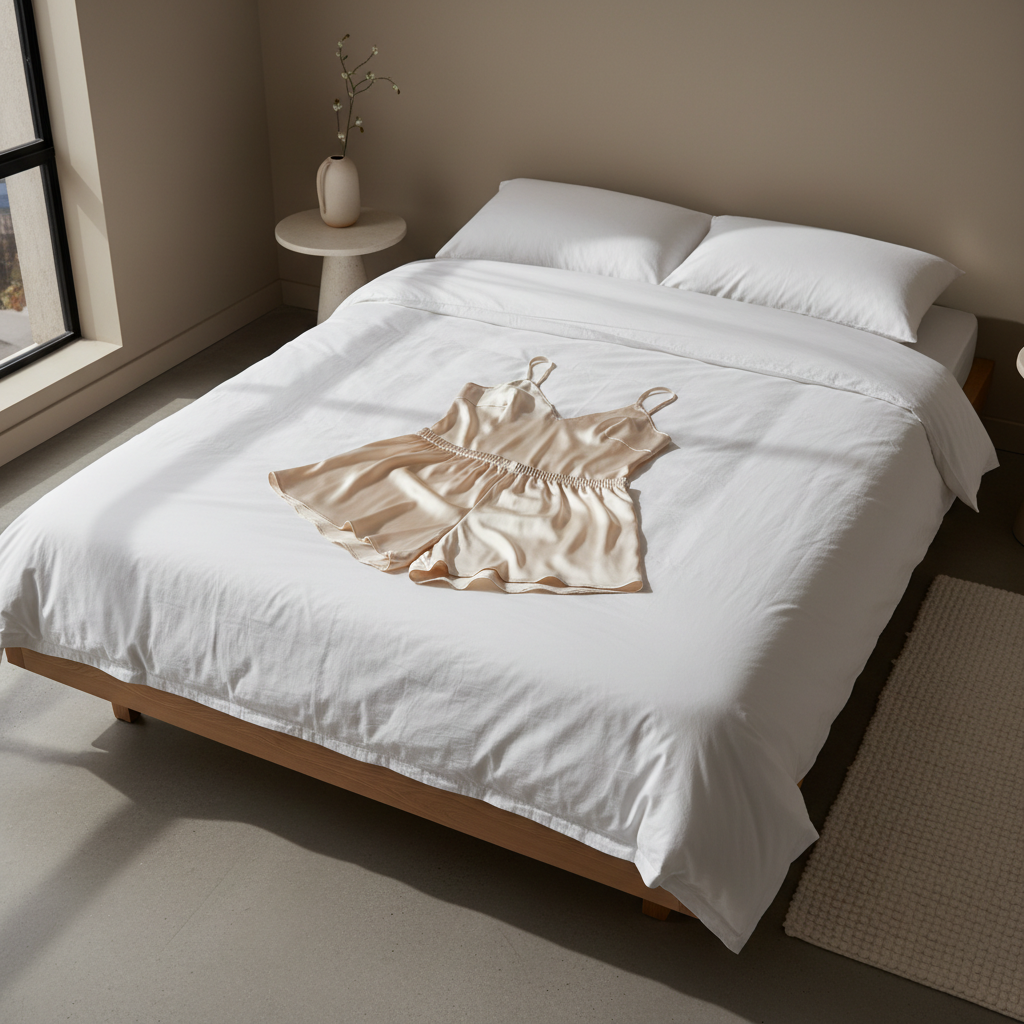
One quick expectation reset, satin is a weave, not a fiber. That’s why two “satin” pajama sets can feel totally different. A smart pick comes down to fiber content, construction, and the little finishing choices brands make.
What “satin,” “soft,” and “cozy” actually mean
Satin refers to a weaving method that creates that glossy face and smoother handfeel. The fiber underneath can be silk, polyester, rayon, or blends, and that choice drives comfort more than the shine does.
- Soft usually means low friction on skin, fewer scratchy seams, and a fabric that drapes instead of feeling stiff.
- Cozy often means the set keeps a comfortable micro-climate, not too hot, not too chilly, and doesn’t bind when you move.
- Breathable depends on fiber and weight; many “cooling” claims vary by person, room temperature, and bedding.
According to the American Academy of Dermatology Association, choosing soft, non-irritating fabrics can help reduce skin irritation for people prone to sensitivity, which is a practical way to think about “soft” when you shop.
Why satin sets disappoint: the most common real-world causes
Most returns happen for predictable reasons, and they’re not always visible in product photos. If you’ve been burned before, you’re not alone.
- Fiber mismatch: polyester satin can look luxe but feel less breathable for some sleepers, while rayon-based satin can feel cooler but may be pickier about care.
- Wrong sizing logic: satin doesn’t behave like cotton jersey; too tight means riding up, too loose means twisting at night.
- Seam placement: bulky overlock seams, itchy tags, or stiff waistband elastic can ruin an otherwise smooth fabric.
- Finishes and dyes: heavy chemical finishes can feel slippery in a bad way, or cause mild irritation for sensitive skin.
- Care reality: “hand wash only” sounds fine until week three, then the set sits in a drawer.
Quick self-check: what kind of sleeper are you?
Before you pick a women sleepwear satin soft set, match the set to your sleep habits. It saves money and frustration.
Use this checklist
- Hot sleeper: you wake up warm, kick off blankets, or prefer cooler rooms.
- Cold sleeper: you reach for socks, robes, or heavier bedding even in mild weather.
- Texture-sensitive: tags, seams, or scratchy lace bother you quickly.
- Low-maintenance shopper: you want machine wash, minimal wrinkles, and no special steps.
- Movement sleeper: you toss and turn, side-sleep, or change positions often.
If you check “hot sleeper” and “movement sleeper,” prioritize lighter fabric weight, relaxed cuts, and smoother inner seams. If you check “texture-sensitive,” tagless construction and gentler elastic matter more than extra shine.
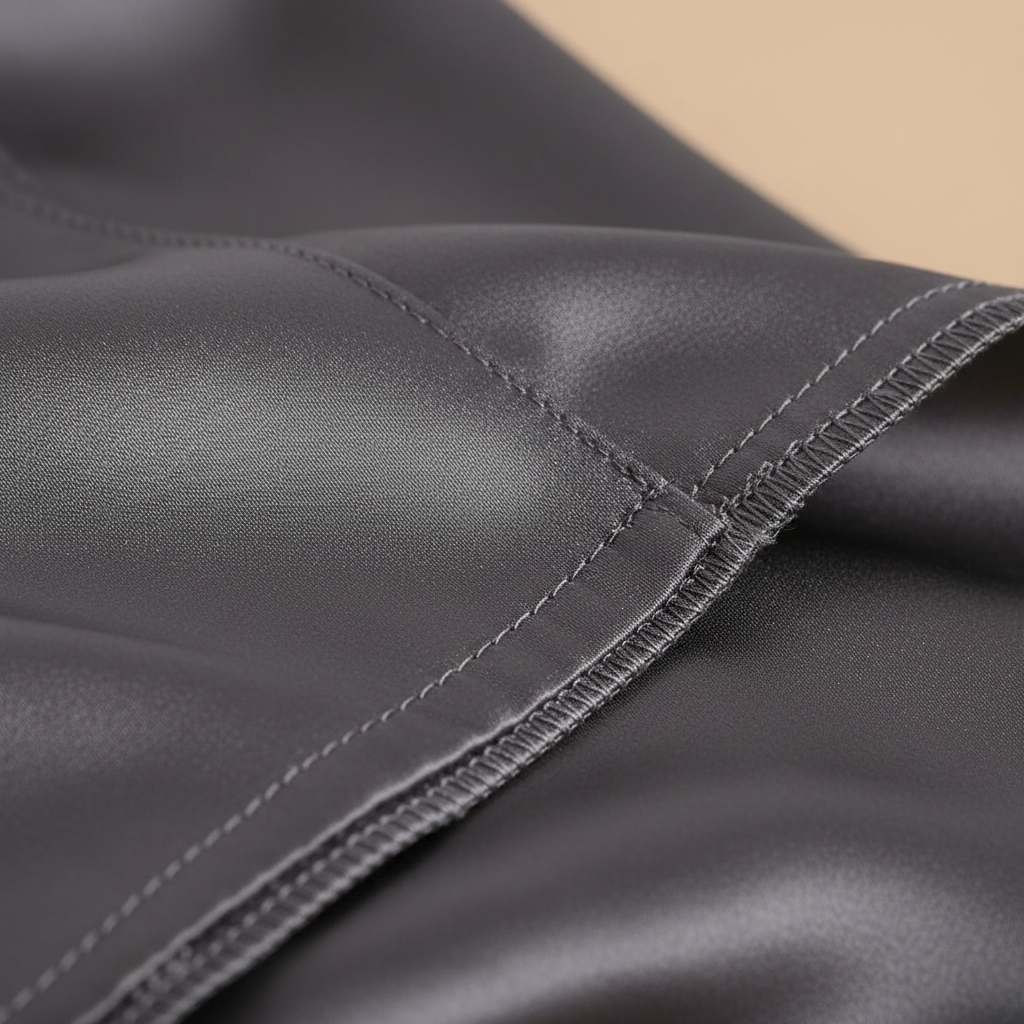
Fabric and construction: the buying guide that matters
Here’s the part most people skip, then regret later. The label and the build quality determine whether it feels “soft cozy” or slippery-stiff.
Fiber choices (and what they tend to feel like)
- Silk satin: often the smoothest and most breathable-feeling, but usually higher cost and more careful laundering.
- Polyester satin: common, durable, typically easier to care for, but some people feel warmer in it.
- Rayon/viscose satin: often drapey and cool to the touch, but can be more prone to shrinking or warping if care instructions get ignored.
- Blends: can balance drape and durability, though the “feel” varies a lot by brand and finishing.
Construction details worth paying for
- Seam finishing: look for smoother interior seams, cleaner stitching, and no rough edges.
- Waistband comfort: a wider, softer elastic or adjustable drawstring tends to feel better overnight.
- Button plackets: for sets with tops, well-spaced buttons reduce gaping and pulling.
- Cut and ease: satin looks best when it can drape; cramped sizing usually feels worse and wrinkles harder.
Comparison table: choose the right satin set for your priorities
Not every “soft” satin set is soft in the same way. Use this as a practical sorting tool when you’re deciding between similar listings.
| Priority | What to look for | What to avoid |
|---|---|---|
| Cooler feel | Lighter weight satin, relaxed fit, breathable fiber (varies) | Very tight cuts, heavy lining, thick elastic |
| Extra softness | Smooth inner seams, tagless/printed label, gentle waistband | Rough seam allowances, scratchy lace at high-friction areas |
| Easy care | Machine-wash guidance, colorfast dyes, wrinkle-resistant finish | “Dry clean only” if you know you won’t do it |
| Flattering drape | Bias-friendly drape, enough ease at hips and shoulders | Boxy stiff fabric that stands away from the body |
| Longer lifespan | Reinforced stitching, quality buttons, stable waistband | Loose threads, puckered seams, thin stress points |
How to pick size and fit (without overthinking it)
Fit is where a women sleepwear satin soft set can feel amazing or annoying. Satin tends to slide, so the goal is comfortable “ease,” not bodycon.
Practical sizing moves
- If you’re between sizes, many people prefer sizing up for satin sets, especially for button tops and elastic waist shorts.
- Check garment measurements if available, waist relaxed and stretched, hip width, and top bust width.
- Think about sleep position: side sleepers often appreciate a little extra room at hips and thighs.
- Watch sleeve and short length: too short can ride up, too long can twist around you.
If the listing shows models, treat it as styling, not sizing proof. Your best cue is measurements and fabric composition, not the photo vibe.

Care and comfort: make the set stay soft
Even a great set can feel rougher if it’s washed too aggressively or dried too hot. Care also matters for skin comfort, because detergent residue can bother some people.
- Wash cold, gentle cycle when the label allows, and use a mesh bag to reduce snagging.
- Skip high heat drying; air-dry or low heat tends to keep satin smoother and reduces shrink risk.
- Use mild detergent if you have sensitive skin, and consider an extra rinse.
- Separate dark colors early on to reduce dye transfer.
According to the Federal Trade Commission (FTC), care labels are meant to help consumers avoid damage under normal use, so it’s worth following them, especially on first washes when you’re testing how the fabric behaves.
Common mistakes (and what to do instead)
A few habits lead to the same problems over and over. Fixing them is usually simple.
- Mistake: buying purely for shine. Do instead: check fiber content and inner seam finish.
- Mistake: ignoring waistband details. Do instead: look for wider elastic or adjustable ties if pressure bothers you.
- Mistake: assuming “one set fits all seasons.” Do instead: pick weight and sleeve length based on your room temp and bedding.
- Mistake: using fabric softener to “fix” roughness. Do instead: try gentler washing and avoid high heat; softener can leave residue for some people.
When it makes sense to ask for professional advice
If you regularly get rashes, itching, or persistent discomfort from sleepwear fabrics, it may help to talk with a dermatologist or another qualified clinician. Skin reactions can come from many triggers, including detergent, dyes, friction, or underlying conditions, so a quick expert opinion can save you a lot of trial and error.
Key takeaways and next steps
A women sleepwear satin soft set feels “soft cozy” when the fiber suits your temperature needs, the cut gives you room to move, and the seams and waistband don’t fight your body at 2 a.m. Pick based on how you sleep, not how the listing looks on a perfectly posed model.
- Action step 1: shortlist 2–3 sets, compare fiber content, care label, and seam/waistband details.
- Action step 2: choose fit for movement, then protect softness with gentle wash and low heat.
FAQ
- What makes a women sleepwear satin soft set feel truly soft?
Usually it’s a mix of smooth inner seams, a gentle waistband, and a fabric that drapes well. “Satin” alone doesn’t guarantee comfort, so check construction details. - Is satin sleepwear good for hot sleepers?
It can be, especially in lighter weights and looser cuts. But some fibers may feel warmer, so consider composition and your room temperature. - Should I size up in satin pajama sets?
Many people do if they’re between sizes, because satin can bind if it’s snug. If the brand provides garment measurements, use those over generic size charts. - How do I stop satin pajamas from wrinkling?
Wrinkles are normal with many satins. Promptly removing from the wash, air-drying, and a low-heat iron or steamer when appropriate can help, as long as the care label allows it. - Can satin irritate sensitive skin?
Sometimes, yes. Irritation can come from seams, finishes, dyes, or detergent residue rather than the weave itself, so switching detergents and choosing tagless, smoother interiors often helps. - What’s better: satin shorts set or long pants set?
Shorts sets often feel cooler and less restrictive, while long pants can feel cozier in AC or winter. Your bedding and thermostat habits usually decide this more than anything else. - How many sets should I buy?
If you wear satin sleepwear often, having two sets makes laundry easier and can extend lifespan. If you’re unsure, start with one and see how it performs after a few washes.
If you’re trying to narrow down options quickly, focus on fiber content, seam comfort, and care instructions before you fall for color and shine. If you want, share the links you’re comparing and your usual sleep temperature, and I can help you sanity-check which set is more likely to feel comfortable long term.